

 Приказ о проведении
 Положение
 Выписка из Протокола
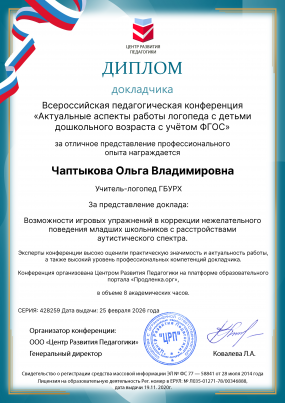
 Диплом победителя
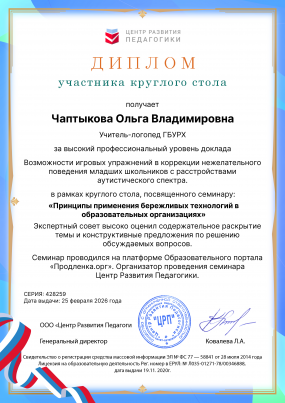
 Диплом за инновационную деятельность
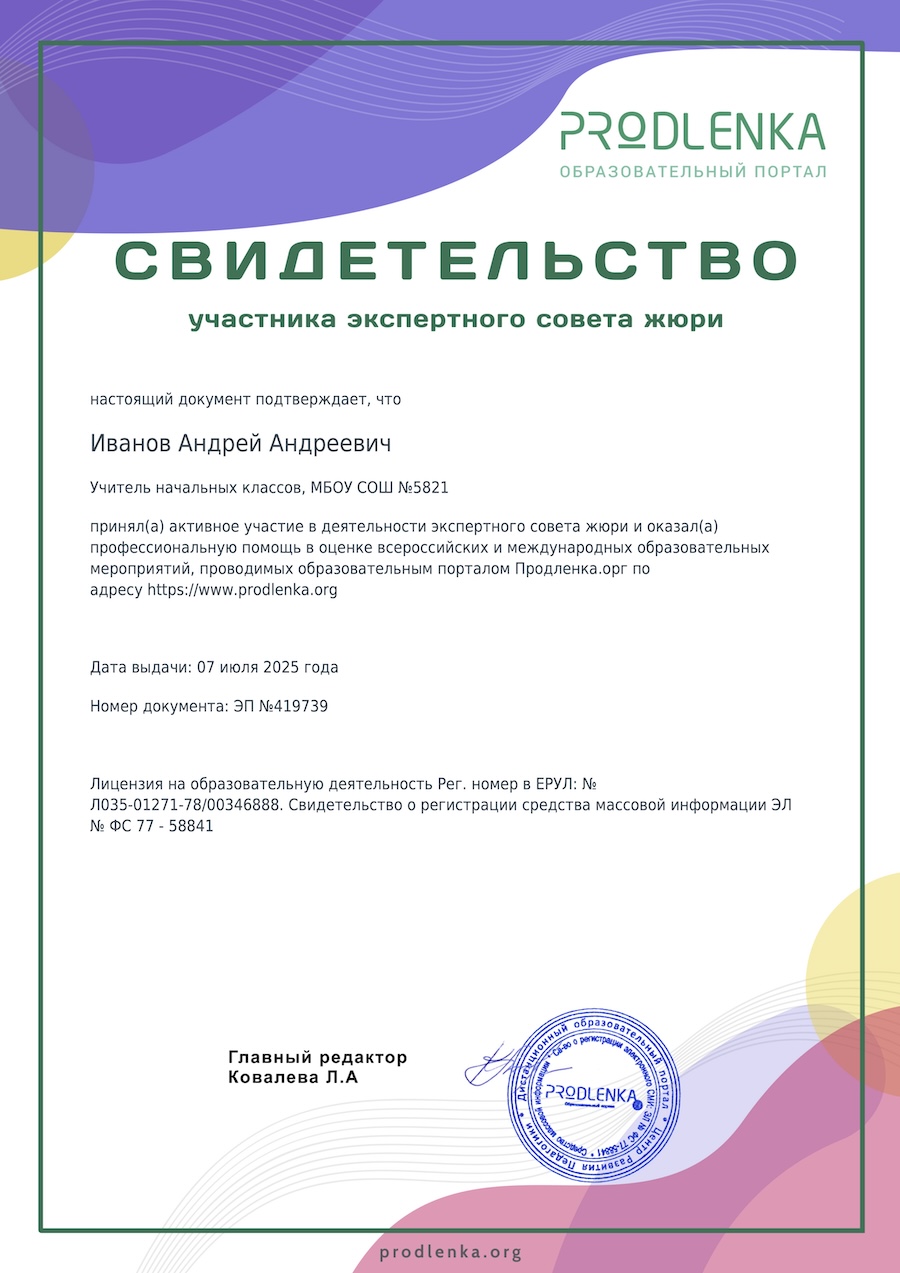
 Благодарность


МЕТОДИЧЕСКАЯ РАЗРАБОТКА ВНЕКЛАССНОГО МЕРОПРИЯТИЯ ПО АНГЛИЙСКОМУ ЯЗЫКУ ДЛЯ ПРЕПОДАВАТЕЛЕЙ ПО ТЕМЕ «РОБЕРТ БЕРНС. ЖИЗНЬ И ТВОРЧЕСТВО ВЕЛИКОГО ШОТЛАНДСКОГО ПОЭТА»
Г осударственное автономное профессиональное образовательное учреждение Самарской области
«Тольяттинский индустриально-педагогический колледж»
(ГАПОУ СО «ТИПК»)
МЕТОДИЧЕСКАЯ РАЗРАБОТКА ВНЕКЛАССНОГО МЕРОПРИЯТИЯ ПО АНГЛИЙСКОМУ ЯЗЫКУ ДЛЯ ПРЕПОДАВАТЕЛЕЙ
ПО ТЕМЕ «РОБЕРТ БЕРНС.
ЖИЗНЬ И ТВОРЧЕСТВО ВЕЛИКОГО ШОТЛАНДСКОГО ПОЭТА»
Тольятти, 2021
Баранова Е.А. Методическая разработка внеклассного мероприятия по английскому языку для преподавателей по теме «Роберт Бернс. Жизнь и творчество шотландского поэта» Тольятти, Изд. ТИПК, 2021.- 21 с.
Методическая разработка внеклассного мероприятия по английскому языку по теме «Роберт Бернс. Жизнь и творчество шотландского поэта» составлена в соответствии с рекомендациями по составлению и оформлению методических продуктов и предназначена для преподавателей английского языка средних специальных учебных учреждений
Рассмотрено
протокол заседания отделения сервисных технологий
№____ от «____»______________ 2021г.
Руководитель ОПОП .___________________/
Утверждено
протокол заседания научно-методического совета ГБОУ СПО ТИПК
№____ от «____»______________ 2021г.
Председатель ___________________ /
© ГАПОУ СО «ТИПК»
Содержание
1. Введение 4
2. Пояснительная записка 5
3.Роберт Бернс. Жизнь и творчество великого шотландского поэта
Задачи мероприятия. 6
4. Конспект внеклассного мероприятия 7
5. Викторина по теме 19
6. Использованные источники 22
3
Введение
Внеклассная работа по иностранному языку имеет большое общеобразовательное, воспитательное и развивающее значение. Эта работа не только углубляет и расширяет знания иностранного языка, но и способствует также расширению культурологического кругозора обучающихся, развитию их творческой активности, эстетического вкуса и, как следствие, повышает мотивацию к изучению языка и культуры другой страны.
При организации и проведении внеклассного мероприятия от преподавателя требуется тонкое и умелое наблюдение и изучение интересов обучающихся.
Массовая работа является доминирующей во внеклассной деятельности студентов, благодаря ее познавательному, практическому и воспитательному значению. Проведение массовых мероприятий в содержательной и интересной форме создает благоприятные условия для развития лингвистической и социокультурной компетенции, формирования личностных качеств обучающихся.
Условиями эффективности внеклассной работы являются следующие:
- добровольность участия;
-сочетание самодеятельности и инициативы обучающихся с направляющей ролью преподавателя;
- четкая организация и тщательная подготовка мероприятий;
- широкое использование методов педагогического стимулирования активности обучающихся.
Организация и проведение внеклассных мероприятий позволяет реализовать разнообразные познавательные, воспитательные и развивающие цели:
- воспитывать у обучающихся чувство уважения к истории и культуре англоязычных стран;
- развивать творческие начала обучающихся и преподавателей;
- совершенствовать технологию коллективных творческих дел, педагогику сотрудничества, игры и проектов;
- воспитывать умение работать в коллективе, развивать взаимовыручку, взаимопомощь при выполнении групповых заданий;
- расширять и углублять знания, умения и навыки в овладении иноязычной коммуникативной деятельностью;
- стимулировать интерес обучающихся к изучению предмета;
- всесторонне развивать личность, включая интеллектуальную, эмоционально-волевую и духовно-нравственную сферы.
Внеклассная работа способствует повышению мотивации обучающихся к изучению английского языка, организации их досуга, приобщению к полезной деятельности и развитию духовных качеств личности.
Внеклассная работа массова, доступна, интересна и максимально приближена к реальным условиям общения на изучаемом языке. Активное вовлечение обучающихся во внеклассную деятельность развивает их способность к общению, укрепляет межличностные отношения, способствует росту мотивации к изучению иностранного языка, помогает достижению целей обучения, предусмотренных стандартом и программой.
Внеклассная работа способствует развитию самостоятельности обучающихся, дает им возможность применять свои знания на практике, возможность поверить в свои знания и умения, а также пополняет багаж знаний обучающихся, повышает уверенность в себе. Внеклассные мероприятия предполагают совместную коллективную деятельность, где большую роль играют поддержка, взаимовыручка и во всей красе раскрывается педагогика сотрудничества.
Основными отличиями внеклассной работы от учебной являются:
- добровольный характер участия студентов во внеклассной работе в отличие от обязательности учебной деятельности. Студенты решают для себя вопрос об участии в тех или иных видах внеклассной работы, прежде всего в соответствии со своими интересами, желаниями узнать что-то новое, заняться языком дополнительно с какими-то определенными целями.
4
- внеурочный характер занятий, который выражается, во-первых, в отсутствии строго урочной регламентации, касающийся времени, места, формы их проведения. Во-вторых, в отсутствии строгого учета знаний, навыков и умений, оценок в баллах. Проверка результатов внеклассной работы осуществляется в форме отчетных вечеров, концертов, сборов, выпуска стенгазет на иностранном языке и т. д.
- большая самостоятельность и инициативность обучающихся в выполнении внеурочных поручений. В отличие от учебной работы, где помощь преподавателя играет ведущую роль, во внеклассной работе обучающиеся проявляют больше самостоятельности, изобретательности, творчества как в выполнении, так и в организации внеурочных мероприятий, в выборе форм работы, отвечающих интересам отдельных возрастных групп обучающихся, их склонностям.
Пояснительная записка
Данная методическая разработка на тему: «Роберт Бернс. Жизнь и творчество великого шотландского поэта» является учебно-методическим пособием в помощь преподавателям в проведении внеклассного мероприятия и содержит материал по творчеству Р. Бернса.
Использование художественных произведений зарубежной литературы на уроках иностранного языка и во внеурочных мероприятиях совершенствует произносительные навыки обучающихся, обеспечивает создание коммуникативной, познавательной и эстетической мотивации, способствует развитию системно-деятельностного подхода. Подготовка к данному внеклассному мероприятию - творческая работа, которая способствует выработке навыков языкового общения, раскрытию индивидуальных и творческих способностей обучаемых. Такая деятельность обучаемых, как самостоятельное формирование темы, цели и задач мероприятия, взаимоконтроль, самооценка, рефлексия, использование ИКТ технологий, проектная деятельность, позволяют отнести мероприятие к разряду современного урока, отвечающего требованиям ФГОС.
Предлагаемый вид работы активизирует мыслительную и речевую деятельность обучаемых, развивает их интерес к литературе, служит лучшему усвоению культуры страны изучаемого языка, а также углубляет знание языка, поскольку при этом происходит процесс запоминания лексики. Наряду с формированием активного словаря у обучающихся формируется так называемый пассивно-потенциальный словарь. И немаловажно, что обучающиеся получают удовлетворение от поисково-познавательной деятельности, раскрываются их индивидуальные творческие способности, развивается сенсорное восприятие.
В заключение хочу отметить, что именно во внеклассной работе на фоне отсутствия англоязычной среды обучающиеся имеют практику в применении английского языка, в овладении коммуникативной компетенции, т.е. предусматривается обучение не столько системе языка, сколько практическому овладению иностранным языком
5
Роберт Бернс. Жизнь и творчество великого шотландского поэта
Задачи мероприятия:
Учебная: развитие межкультурной компетенции, совершенствование навыков устной и письменной речи и произношения, обогащение словарного запаса английского языка
Практическая: Познакомить обучающихся с жизнью и творчеством Р.Бернса
Развивающие:
- развитие интеллектуальной, эмоциональной и мотивационной сферы личности обучающихся и расширение их эрудиции;
- развитие правильной интонации и произношения, интереса к изучению английского языка, таких творческих способностей, как рисование, инсценирование стихотворения, выразительность, эмоциональность, чувство красоты;
- развитие навыков говорения, аудирования в процессе творческого общения, создание творческой атмосферы в группе.
- развитие интереса обучающихся к культурному наследию Великобритании, расширение культурного кругозора по теме.
Образовательная: приобщение к иноязычной культуре, расширение и углубление знаний по теме «Культура страны изучаемого языка. Великие люди Великобритании», развитие их творческой активности, эстетических вкусов и повышение общей культуры обучающихся
Воспитательная: повышение интереса к иноязычной культуре, формирование духовно-нравственной сферы учащихся;
воспитание интереса к поэзии, языкам;
воспитание чувства прекрасного к английской литературе, уважения к культуре страны изучаемого языка;
приобщение обучающихся к коллективной творческой деятельности.
Оснащение кабинета: презентация по теме, записи произведений шотландской волынки, шотландских мелодий и песен; портрет Р. Бернса, диапроектор, экран, плакаты (высказывания Р.Бернса и о Р.Бернсе), записи со стихами Р.Бернса на английском и русском языках, сообщение о жизни и творчестве Роберта Бернса.
Технология проведения мероприятия:Мероприятие проводится в стиле литературно-музыкальной композиции. Весь сценарий представлен как познавательно-развлекательное шоу.
6
Организационный момент:
1. Приветствие
Teacher (T).: Good morning! I am glad to see you.
Students (S).: Good morning! We are glad to see you too.
T.:Sitdown,please.
T.: Мы собираемся познакомить вас с поэзией Роберта Бернса. Роберт Бернс известный шотландский поэт. Он писал простые и красивые песни, которые пели во всей Шотландии. Он был замечательным лирическим поэтом и мог писать юмористические, иронические и сатирические стихи. Он воспевал верную любовь и дружбу. Пожалуй, нет поэта, которого бы знали и пели на протяжении двух веков. Роберта Бернса знает весь мир. И все же именно нашу страну шотландцы называют его второй родиной.
С.Я. Маршак сделал наиболее полные переводы Роберта Бернса, и все они хранятся в доме – музее Р. Бернса в Аллоуэе.
Александр Твардовский писал: «Маршак сделал Р. Бернса русским, оставив его шотландцем». И сегодня будут звучать стихи и песни Р. Бернса в переводе С.Я. Маршака.
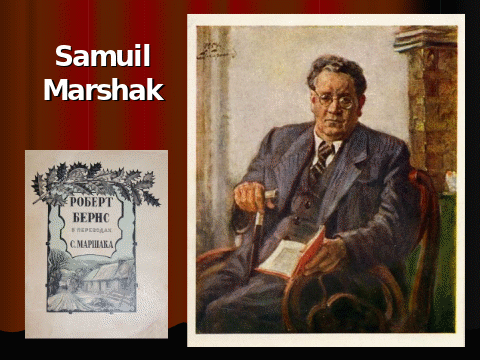
The teacher: Dear boys and girls, dear guests, thank you for coming to this party. As you see I’ve got a book in my hand. It’s about my favourite poet. And today we’ll together honour the memory of Robert Burns, the famous poet of Great Britain and the national poet of Scotland. I’m glad to see you here on the eve of his birthday, because as you know Robert Burns’ birthday is usually celebrated in all English – speaking countries. On that day his memory is glorified, his poems are recited, his songs are sung. And we are going to do all these things today.
But I’ve got some questions. I’d like to know why Burns’ poetry is so much loved by people. Can you answer?
Student 1: Because he wrote for the people. Because he was kind and generous by nature. He wrote simple and beautiful songs, which were sung all over Scotland.
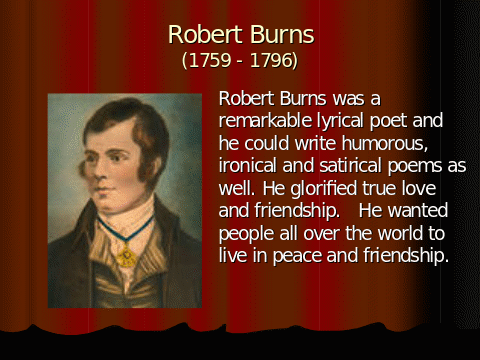
Student 2: He was a remarkable lyrical poet and he could write humorous, ironical and satirical poems as well. He glorified true love and friendship. He was a poet of brotherhood who declared that every man must be treated as a man, and have the freedom of a man. He wanted people all over the world to live in peace and friendship.
7
Student 3: He dreamt of the time when “man to man the world over shall brothers be for all that”. He dreamt of the time when not wealth and titles but only personal merits would make “a man for all that” and “equal rights and equal laws would gladden every isle’.
The teacher: Oh, I see you know a lot about Robert Burns. Now let’s listen to the text about R. Bern’s biography and then I’ll ask you to try to answer some questions.
All are listening to the text.
Robert Burns, Scotland's national poet, was born on January 25, 1759 in Scotland.
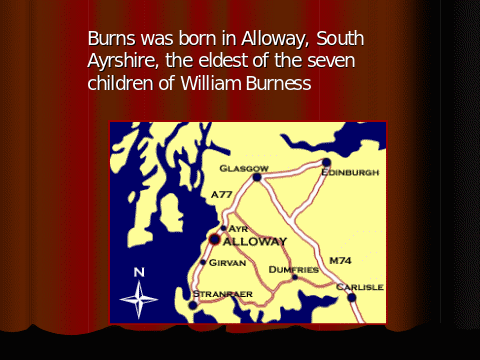
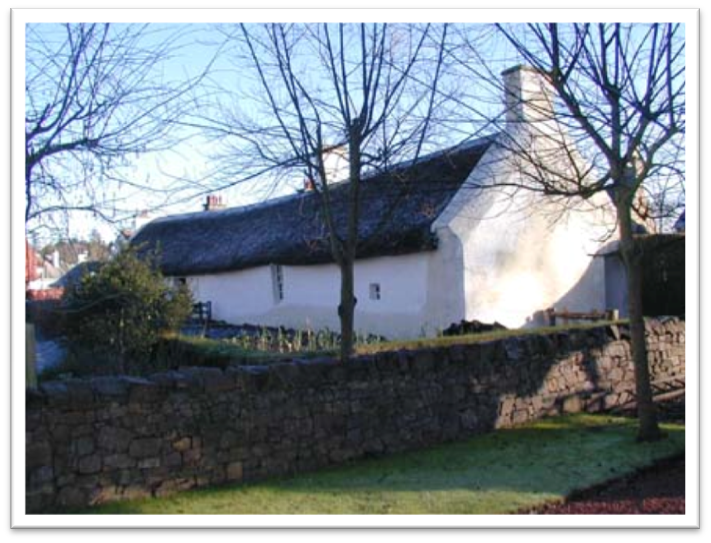
His father, William Burns, was a poor farmer. There were seven children in the family, and Robert was the eldest. His father knew the value of a good education, and he tried to give his children the best education he could afford. Robert was sent to school at the age of six, but as his father could not pay for the two sons, Robert and his brother Gilbert attended school in turn.
Robert's mother knew many Scottish songs and ballads and often sang them to her son in his childhood. His mother's friend Betty told Robert many fantastic tales about devils, fairies and witches. Bums’ mother died in 1820. She lived long and enjoyed the fame of her poet son.
Robert Bums became fond of reading. He read whatever he could lay his hands on. His favourite writers were Shakespeare, Smollett, Robert Fergusson, a talented Scottish poet (1750 - 1774). Fergusson's tragic fate deeply touched Bums. Bums devoted many verses to Fergusson.
Robert Bums began to write poetry when he was fifteen. He composed verses to the melodies of old folk-songs, which he had admired from his early childhood. He sang of the woods, fields and wonderful valleys of his native land. Bums published some of his poems in 1786. Their success was complete. And Robert Burns became well known and popular.
When Burns came to Edinburgh, the capital of Scotland, a new and enlarged edition of his poems was published. But soon Edinburgh society grew tired of him and forgot about the poet.
Robert Bums left Edinburgh and returned to his native village with money enough to buy a farm and marry Jean Armour. Burns devoted to Jean many beautiful poems, such as I love my Jean, Bonnie Jean and many others.
Robert Bums’ poems were very popular, he always remained poor. He worked hard and destroyed his hearth. He died in poverty at the age of thirty - seven in 1796.
The poetry and songs of Robert Burns are famous all over the world.
Robert Bums’ poems and verses inspired Beethoven, Schumann, Mendelssohn and other composers who wrote music to them.
The most popular poems of Robert Burns are The Tree of Liberty, My Heart's in the Highlands, A Red, Red Rose and many others.
Now. please, answer the questions:
1. When and where was Robert Burns born?
2. How many children were there in their family?
8
3. What did Robert's father try to give his children?
4. Who knew many Scottish songs and ballads?
5. What did his mother's friend Betty tell Robert?
6. When did Robert begin to write poetry?
7. What did Robert Burns publish in 1786?
8. Why did Robert Burns return to his native village?
9. Whom did Robert Burns’ poems and verses inspire?
T.: Very well. And now, my dear, let’s remember the most important dates and events of his life. I’ll show you cards with the dates and you’ll say what you know about these periods of his life. I hope you’ll illustrate your answers with poems, songs and short performances.
The first date –1759.
Student 4: Robert Burns was born in 1759, on the 25th of January. He was born in Alloway, in Ayrshire, Scotland.
(Here is a couplet and refrain of the song “Robin” by Mark Karminsky are heard in Russian recorded on a tape-recorder. The song’s refrain is sung in English by all pupils in the hall.).
В деревне парень был рождён,
Но день, когда родился он,
В календари не занесён.
Кому был нужен Робин?
Припев:
Был он резвый паренёк
Резвый Робин, шустрый Робин,
Беспокойный паренёк –
Резвый, шустрый Робин!
Refrain:
Robin was a rovin’ Boy,
Rantin’ rovin’,rantin’ rovin’;
Robin was a rovin’ Boy
Rantin’ rovin’ Robin. (Glossary: rovin’ = rambling; rantin’ = making merry)
(Then, on the stage, the pupils perform a short play about Robert’s first day of life.)
Scene: A room in the Burns’ neighbour’s house. A man and a woman are sitting there. The man is making something with a hammer. The woman is sewing.
Woman: The night is so stormy. It is snowing. Somebody is knocking.
Husband: I’ll open the door.
Burns’ Mother (coming in): My dear neighbours! The storm has broken the roof of my house. May I spend this night at your place?
Woman: Oh, dear! You are welcome! Sit down, please. Let me have a look at your baby. What a handsome boy!
Husband: Hush! Somebody is knocking again. Who can it be? The snowstorm is so terrible!
Woman: Oh, a stranger may have lost his way. We can’t leave anyone without help. Open the door, my dear.
Gypsy (entering the room): Hello! How are you? I’m cold and wet. May I warm myself in your house?
Woman: Of course, my dear Sarah. She is a gypsy. She can tell fortunes.
Gypsy: What a nice baby! Let me see his hand. Oh, this boy won’t be a fool. He’ll be famous! He will glorify his family and country.
9
Student 4:
Разжав младенческий кулак,
Гадалка говорила так:
-Мальчишка будет не дурак.
Пускай зовётся Робин.
Немало ждёт его обид,
Но сердцем всё он победит.
Парнишка будет знаменит,
СемьюпрославитРобин.
The teacher: What family did he come from?
Student 5: His father was a poor farmer, but his greatest wish was to give his children the best education he could afford. He was a clever man and had a shelf with books in his poor house.
The teacher:Now look at his date – 1765.
Student 6: In 1765 Robert was sent to school, but his school days did not last long because his teacher soon got another job and left. Then Burns’ father persuaded some neighbours to hire a young man as a teacher for their children.
Student 7: This young man was John Murdoch. He was very clever and gave his pupils a good knowledge of English. They read Shakespeare, Milton and other most important writers of the 16th-18th centuries.
The teacher: Robert’s childhood and adolescence were not happy. Being the eldest in the family Robert had top begin working on the farm at a very early age. At 13 he worked in the field on a par with grown-ups.
And now let's look at the date – 1773
Student 8: In 1773 Robert was 14. He wrote his first poem in that year. (It was “Handsome Nell”) It was written for a girl who worked in the field with him.
The teacher: Do you know when boys begin to write poems? No? Oh, it’s a well-known fact. All great poets began to write poems when they fell in love with girls. The same thing happened to Robert Burns. The first songs were composed by Robert to the tunes of popular folk songs. They were sung by his mates and neighbours and made him famous in his parts. Robert wrote about the lasses and lads he knew well, about everything that happened to them. Here is one of those songs,
“Comin’thro’the rye”.
Comin’thro’the rye, poor body,
Comin’thro’the rye,
She draigl’t a’ her petticoatie
Comin’thro’the rye
Chorus:
Oh Jenny’s weet, poor body,
Jenny’s seldom dry;
She draigl’t her petticoatie
Comin’thro’the rye
Gin a body meet a body
Comin’ thro’the rye
Gin a body kiss a body
Need a body cry?
10
Chorus.
Gin a body meet a body (Glossary: thro= through; draigl’t=drenched; weet= wet; gin= if;
Comin’thro’the glen’ warld= world; ken=know, learn)
Gin a body kiss a body
Need the warld ken?
Chorus.
Пробираясьдокалитки
Полемвдольмежи,
Дженнивымокладонитки
Вечеромворжи.
Оченьхолоднодевчонке,
Бьётдевчонкудрожь:
Замочила все юбчонки, Идя через рожь.
Если кто-то звал кого-то
Сквозь густую рожь
И кого-то обнял кто-то,
Что с него возьмёшь?
И какая нам забота.
Если у межи
Целовался с кем-то кто-то
Вечеромворжи!...
The teacher: And now listen to one more song written by Robert Burns.
A Red, Red Rose
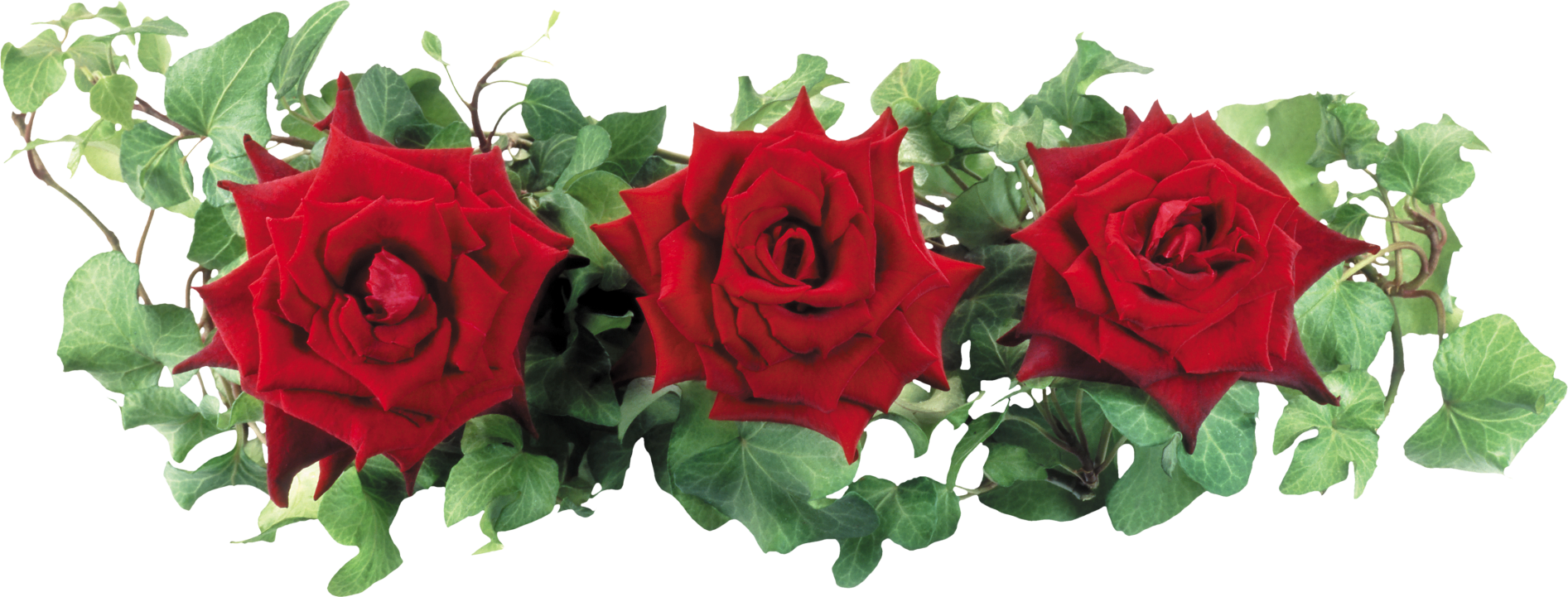
O my Luve’s like a red, red rose,
That’s newly sprung in June;
O my Luve’s like the melodie
That’s sweetly play’din tune,-
As fair art thou, my bonie lass,
So deep in luve am I;
And I will luve thee still, my Dear,
Till a’the seas gang dry.-
Till a’the seas gang dry, my Dear, (Glossary: luve= love; are thou-are you;
And the rocks melt wi’ the sun: bonie=beautiful; thee= you; gang=go;
I will love thee still, my Dear, wi’=with; weel=well; tho’= though)
While the sands o’life shall run,-
And fare thee weel, my only Love!
And fare thee weel, a while!
And I will come again, my Love,
Tho’it were ten thousand mile!-
11
Любовь
Любовь, как роза, роза красная,
Цветёт в моём саду.
Любовь моя- как песенка,
С которой в путь иду.
Сильнее красоты твоей
Моя любовь одна.
Она с тобой, пока моря
Не высохнут до дна.
Не высохнут моря, мой друг,
Не рушится гранит,
Не остановится песок,
А он, как жизнь, бежит…
Будь счастлива, моя любовь,
Прощай и не грусти.
Вернусь к тебе, хоть целый свет
Пришлосьбымнепройти!
The teacher: Date - 1784
Student 9: In February 1784 Robert’s father died and Robert became the head of the family. Life on the farm grew harder and harder. So the Burns moved to a smaller farm of Mossgiel. Robert wanted to make the new farm better. He bought and read books on farming. In spite of all these difficulties Robert began to write a book of poems.
Student 10: In 1784 at a dancing party, Robert Burns met the “beauty of the village” – Jean Armour, the daughter of a rich master-mason. It was “love at first sight”. Jean had a beautiful voice. Robert composed songs for her and she sang them with great pleasure.
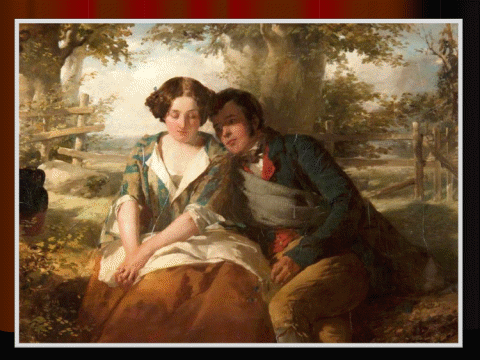
The teacher: Let’s listen to one of his songs.
O whistle and I’ll come to ye, my lad,
O whistle and I’ll come to ye, my lad,
Tho’ father, and mother, and a’ should gae mad,
The Jeanie will venture wi’ ye, my lad.
Ay kirk, or at market whene’er ye meet me,
Gang by me as tho’ that ye car’d nae a flie;
But steal me a blink o’your bonie black e’e,
Yet look as ye were na looking at me.-
Yet look as ye were na looking at me.-
(Glossary: ye=you; gae-go; nae=no, not; flie=something of no value; e’e=eye; na=not)
12
Ты свистни - тебя не заставлю я ждать,
Ты свистни - тебя не заставлю я ждать.
Пусть будут браниться отец мой и мать,
Ты свистни - тебя не заставлю я ждать!
А если мы встретимся в церкви, смотри:
С подругой моей. не со мной говори,
Украдкой мне ласковый взгляд подари,
А больше – смотри! – на меня не смотри,
А больше – смотри! – на меня не смотри!
The teacher: Jean and Robert loved each other dearly. They could be happy, but they weren’t. Jean’s father didn’t want his daughter to marry Robert because he was poor. So Robert decided to emigrate to Jamaica. The words of the following poem reflect his thoughts and feelings quite vividly:
From thee, ELIZA, I must go,
And from my native shore:
The cruel fates between us throw
A boundless ocean’s roar;
But boundless oceans, roaring wide,
Between my Love and me,
They never, never can divide
My heart and soul from thee.
Farewell, farewell, ELIZA dear,
The maid that I adore!
A boding voice is in mine ear,
We part to meet no more!
But the latest throb that leaves my heart,
While Death stands victor by,
That throb, ELIZA, is thy part,
And thine that latest sigh! (Glossary: thy=your; thine-yours)
Прощусь, Элиза, я с тобой
Для дальних, чуждых стран.
Мою судьбу с твоей судьбой
Разделит океан.
Пусть нам в разлуке до конца
Томиться суждено,-
Не разлучаются сердца,
Что спаяны в одно!
Оставлю я в родной стране
Тебя, мой лучший клад.
И тайный голос шепчет мне
Я не вернусь назад.
Последнее пожатье рук
Я унесу с собой.
Тебе – последний сердца стук
Ивздохпоследниймой.
13
The teacher: Now the next very important date: 1786, August, Kilmarnock.
Student 1: In August 1786 Burns published his poems in Kilmarnock. Their success was tremendous. The publication changed the course of Burns’ life. Robert was so encouraged by the success that he decided to go to Edinburgh, the capital of Scotland. There he was introduced to many famous people. All were impressed by his modesty, his witty conversation and excellent manners.
The teacher: Common people admired his poems. One of Burns’ friends wrote: “Weavers of Kilmarnock bought the book together, shared it by pages, learnt the poems by heart and then exchanged the pages.”
What do you know about this date – 1787, April, Edinburgh.
Student 2: In April 1787 the second education of Burns’ poems appeared in Edinburgh. It brought him money and gave him an opportunity to see more of his native land. Robert made several trips around the country and saw beautiful landscapes and lochs of the Highlands. He visited some historical places, which made a great impression on him.
The teacher: I think the poem “My heart’s in the Highlands” was the result of this tour. So let’s recite this poem all together. (The groups recite the lines of the poem in turn at the sign from the teacher):
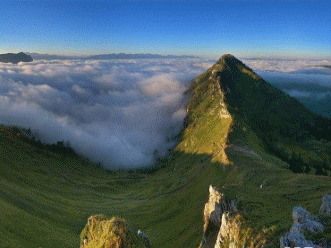
My heart’s in the Highlands, my heart is not here;
My heart’s in the Highlands a chasing the deer;
Chasing the wild deer, and following the roe;
My heart’s in the Highlands, wherever I go. –
Farewell to the Highlands, farewell to the North;
The birth-place of Valour, the country of Worth:
Wherever I wonder, wherever I rove,
The hills of the Highlands for ever I love, -
Farewell to the mountains high cover’d with snow;
Farewell to the straths and green vallies below:
Farewell to the forests and wild-hanging woods;
Farewell to the torrents and loud-pouring floods,-
My heart’s in the Highlands, my heart is not here;
My heart’s in the Highlands a chasing the deer;
Chasing the wild deer, and following the roe;
14
My heart’s in the Highlands, wherever I go. –
В горах моё сердце… Доныне я там.
По следу оленя лечу по скалам.
Гоню я оленя, пугаю козу.
В горах моё сердце, а сам я внизу.
Прощай, моя родина! Север, прощай,-
Отечество славы и доблести край.
По белому свету судьбою гоним,
Навеки останусь я сыном твоим!
Прощайте, вершины под кровлей снегов,
Прощайте, долины и скаты лугов,
Прощайте, поникшие в бездну леса,
Прощайте, потоков лесных голоса.
В горах моё сердце… Доныне я там.
По следу оленя лечу по скалам.
Гоню я оленя, пугаю козу.
В горах моё сердце, а сам я внизу.
The teacher: And now 1789.
Student 3: In 1789 Burns bought a farm of his own not far from the town of Dumfries. By that time he had married Jean Armour.
The new farm didn’t bring Burns any profit. Fortune was against him again. His friends helped him to get a job in Dumfries and Robert became an exciseman for his district.
The teacher: Good, very good, my dear children. I see you know the biography of Robert Burns quite well. But now I’d like to find out if you know History as well. Which of you can tell me what important event took place in France that year? In 1789…. Yes, the revolution in Paris. The revolution impressed Burns greatly. New ideas occupied his mind. Burns always stood for liberty and was against social inequality. He dreamt about a happy future. When he sp[oke about future he was always optimistic. He believed that the ‘world would live in peace”. You know these lines.
Let’s recite them all together.
Like brethren in a common cause,
We’d on each other smile, man;
And equal rights and equal laws
Wad gladden every isle, man.
(Glossary: brethren = brothers; wad = would)
Забудут рабство и нужду
Народы и края, брат,
И будут люди жить в ладу,
Какдружнаясемья,брат!
The teacher: Very good! Thank you. I hope that Burns’ belief will become yours!
And now the next date – 1791.
Student 4: In 1791 Robert Burns sold his farm and made his home in Dumfries. The last 5 years of his life were very difficult for Burns. His work was hard.
15
The teacher: But he went on writing his beautiful poems and songs. Now he wanted people to understand that treasures and pleasures can’t make people happy. What did he say about it?
Student 5: Nae treasures nor pleasures
Could make us happy long
The hearts is always the part
That makes us right or wrong.
The teacher: So, children, tell me, please, what human qualities Robert Burns valued most of all.
Student 6: Pride, honesty, dignity, courage, intellect. He declared that a man is a man, he musty be treated as a man, and have the freedom of a man. He did not care for wealth and titles.
The teacher: Yes, he wrote about things eternal. He saw injustice everywhere and his thoughts were about Sense, Honesty, and Independence. Sometimes his poems seem to have been written about our daily problems. His poems are up-to-date, though they were written many years ago.)
“Honest Poverty” Честнаябедность 1795
Кто честной бедности своей
Стыдится и все прочее.
Тот самый жалкий из людей,
Трусливый раб и прочее.
При всем при том,
При всем при том,
Пускай бедны мы с вами,
Богатство –
Штамп на золотом,
А золотой –
Мы сами!
Мы хлеб едим и воду пьем.
Мы укрываемся тряпьем
И все такое прочее.
А между тем дурак и плут
Одеты в шелк и вина пьют
И все такое прочее…
Настанет день и час пробьет.
Когда уму и чести
На всей земле придет черед
Стоять на первом месте.
При всем при том,
При всем при том,
Могу вам предсказать я,
Что будет день,
Когда кругом
Все люди станут братья.
“TheHeronBallads”,
Предвыборная баллада
What will we send to London town,
To Parliament, and a’ that,
What maist in a’ the country round,
For worth and sense may fa’ that? What = whom Maist = most Fa’ = win
16
For a’ that and a’ that,
Thro’ Galloway and a’ that,
Whilk is the Laird, or belted knight,
That best deserves to fa’ that. Laird = squire
Кого пошлем мы заседать
В парламенте и прочее?
Кто лучше может оправдать
Такие полномочия!
При всем при том,
При всем при том
Кого из нашей знати
Иль из народа мы пошлем
Решать дела в палате?
Не в званьях суть и не в чинах,
Видали мы воочию,
Что лорд в блестящих орденах
Бывает глуп и прочее.
При всем при том,
При всем при том
Одно мы знаем твердо:
Что шут останется шутом
И в гордом званье лорда!
К нам едет хлыщ из-за холмов
С мошной родни богатой
Безусый мальчик нас готов
Купить, как скот рогатый.
При всем при том,
При всем при том
Не пришлым шалопаям, -
Мы тем свой голос отдаем,
Кого давно мы знаем!
При всем при том,
При всем при том
Не кошельку; не знати –
Мы голос чести отдаем
На благо всей палате!
Teacher: Do you know how is Burns Birthday or Burns Night celebrated?
Student: It is customary to celebrate Burns Birthday or Burns Night with a Burns Supper. It begins with a welcoming speech from the host, followed by the guests sitting at the table and saying grace. A soup course is served, consisting of a Scotch broth or potato soup, before the main course, the mandatory haggis, is brought into the room.
The entrance of the haggis is an integral part of the celebrations and is usually accompanied by a piper playing one of Burns’ folk songs. By tradition Haggis should be brought in on a silver serving plate. As the haggis is set upon the table, Burns’ poem, Ode To a Haggis, is recited. Once the poem
17
is finished, guests can get down to the meal and the many toasts that follow. The haggis is usually accompanied by tatties (potatoes) and neeps (turnips). A traditional Scottish dessert follows the main course. Then guests would read out Robert Burns poems, sing his songs and dance.
Teacher: You know that Robert Burns died in 1796. After his death his poems were translated into almost every language. In Russia six of his poems were translated for the first time by Mikhailov in 1856. Shchepkina – Kupernick, Bagritsky and other poets translated Burns’ poems too. But the best translations were made by Marshak. Thanks to Marshak’s translations we have come to know and love Robert Burns. We know that the Scottish national anthem “Auld Lang Syne” composed by Robert Burns is often sung at parties or meetings of friends all over the world. The best-known cycle of songs to Robert Burns's verses was composed in Russia by Georgi Sviridov.. One of the most popular song by Robert Burns is "Auld Lang Syne». It has now become a parting song at any party or meeting of friends. And I think that today we shall honour the memory of the great bard of Scotland by singing his song.
(The students sing the song standing up.)
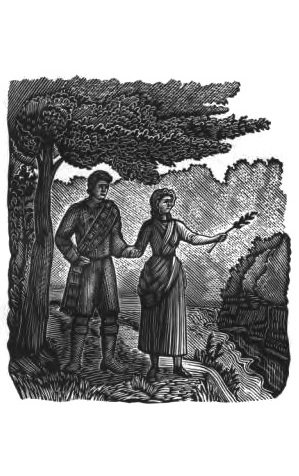
Should auld acquaintance be forgot
And never brought to mind?
Should auld acquaintance be forgot
And auld lang syne!
Chorus:
For auld lang syne, my jo,
For auld lang syne,
We’ll tak a cup o’kindness yet
For auld lang syne
And there’s a hand, my trusty fiere!
And gie’s a hand o’thine!
And we’ll tak a rioght gude-willie-waught,
For auld lang syne
Chorus.
(Glossary: auld = old; auld lang syne = old days gone by; jo = dear; tak = take; fiere = comrade, companion; gie’s = give us; gude-willie-waught = cordial drink)
Teacher: Thank you. And now let’s do some tasks
Task 1. You must answer these questions quickly.
18
BURNS QUIZ.
1. When was Robert Burns born?
A. 25 January 1796
B. 21 July 1796
C. 25 January 1759
D.21 July 1759
2. What town was Robert Burns born in?
A. Ayr
B. Alloway
C. Irvine
D. Mauchline
3. Complete the line “For auld lang…”
A. Time
B. Syne
C. Dime
D. Rhyme
4. What was Robert Burns’ wife’s name?
A. Joan Armatrading
B. Dorothy L’ Amour
C. Jean Armour
D. Joan Collins
5. What food is traditionally eaten at a Burns Supper?
A. Sausages
B. Fish and Chips
C. Haggis
D. Black Bun
6. What instrument accompanies a haggis at a Burns Supper?
A. Trumpet
B. Drum
C. Flute
D. Bagpipes
7. Complete the line “Of mice and…”
A. Rice
B. Rats
C. Cats
D. Men
8. Which of the following is not a Burns poem?
A. To a Louse
B. Holly Rabbie’s Prayer
C. To a Mouse
D. The Twa Dogs
19
9. What was Burns’ pen name when writing to ‘Clarinda’?
A. Sylvester
B. Sylvander
C. Rabbie
D. Tam O’Shanter
10. How old was Robert Burns when he died?
A. 37
B. 38
C. 39
D. 40
TASK 2 Listen to the song “My Heart’s in the Highlands” by Robert Burns and complete the lyrics using the phrases given below in the box:
a-chasing the deer; My heart’s in the Highlands; Farewell to the North; Chasing the wild deer; The birthplace of valour; wherever I go; wherever I rove; The hills of the Highlands |
_________________________________________, my heart is not here, |
My heart’s in the Highlands ______________________________________. |
_____________________________________, and following the roe; |
_____________________________________, _____________________. |
Farewell to the Highlands, ______________________________________. |
__________________________________________, the country of worth. |
Wherever I wander, ______________________________________________ |
________________________________________________ forever I love. |
The vocabulary:
a-chase, chase | [tòeis] | охотиться,гнаться; |
farewell | [feə’wel] | До свидания! |
valour | [‘vælə] | доблесть |
deer | [diə] | олень |
worth | [wə:q] | достоинство |
roe | [rəu] | косуля |
rove | [rəuv] | скитаться |
wander | [‘wondə] | странствовать |
20
Task 3. Read the following sentences and tell is it true or faulse.
1. Robert Burns traveled all over the world. He was interested in Scottish and English songs and legends. (It’s false. He traveled only around Scotland.)
2. He was a ploughboy and at 13 worked in the field as much as grown-ups. (It’s true.)
3. When Robert was 25 years old, his father died and he became the head of the family. (It’s true.)
4. Robert fell in love with Jean Armour, the most beautiful girl in the village. (It’s true.)
5. Jean Armour’s parents wanted her to marry . Robert Burns. (It’s false. Jean's father didn't want his daughter to marry Robert because he was poor.
6. In 1788 Robert Burns married Jean Armour, the daughter of a rich master-mason. (It’s true.)
7. In last years of life Robert Burns lived in Dumfries with his family. He liked that old town for its beauty. (It’s true.)
8. Jean had a beautiful voice. She sang. Robert Burns’ songs with great pleasure. He composed songs for her. (It’s true.)
РАЗДАТОЧНЫЙ МАТЕРИАЛ
1759 | Robert Burns was born in Alloway, in Aurshire, Scotland, on the 25th of January. |
1765 | Robert was sent to school, but his school days did not last long as their teacher left the school. Burns’ father employed a tutor for his sons, so they got a good education. |
1772 | Нe had to begin working on the farm as his family was poor. |
1773 | He wrote his first poem “Handsome Nell”. It was written for a girl who worked in the field with him. |
1786 | He published his first volume of poems chiefly in Scottish Dialect. |
1788 | He married Jean Armour, the daughter of a rich master-mason. |
1796 | He died on the 21st of July in Dumfries. |
ИСПОЛЬЗОВАННЫЕ ИСТОЧНИКИ:
http://en.wikipedia.org/wiki/Robert_Burns
http://www.amazon.co.uk/Scottish-Quest-Robert-Burns
http://esolcourses.blogspot.com/2010/01/january-25-burns-night-english-lesson.html Red red rose song
http://www.robertburns.plus.com/MonumentsDumfries.htm
http://www.encyclopedia.com/topic/Robert_Burns.aspx
http://esolcourses.blogspot.com/2010/01/january-25-burns-night-english-lesson.html
21













Чтобы оставлять комментарии, вам необходимо авторизоваться на сайте. Если у вас еще нет учетной записи на нашем сайте, предлагаем зарегистрироваться. Это займет не более 5 минут.