

 Приказ о проведении
 Положение
 Выписка из Протокола
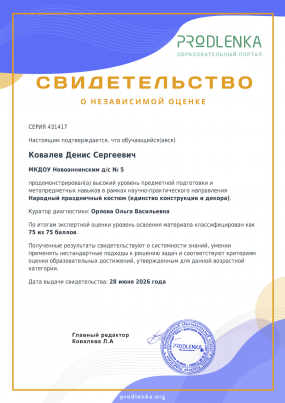
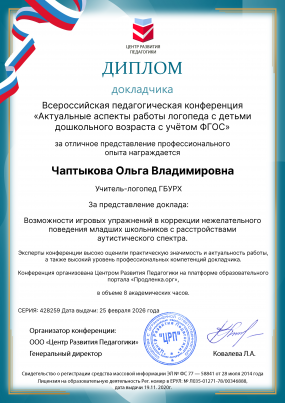
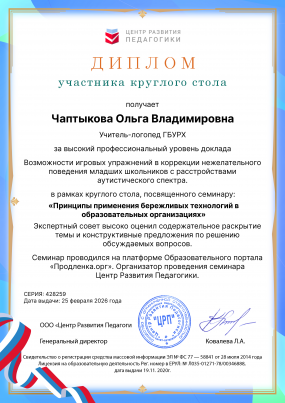
 Диплом победителя
 Диплом за инновационную деятельность
 Благодарность


Комплект заданий для самостоятельной работы по общеобразовательной дисциплине "Иностранный язык (английский)" для специальности "Операционная деятельность в логистики"



Министерство образования и молодежной политики
Свердловской области
Государственное автономное профессиональное образовательное учреждение
«Нижнетагильский педагогический колледж №2»

Замятина Е.Е.
Комплект заданий для самостоятельной
работы студентов
по общеобразовательной дисциплине
«Иностранный язык (английский)»
для специальности:
38.02.03 «Операционная деятельность в логистике»
Нижний Тагил
2022
Комплект заданий для выполнения самостоятельной работы по дисциплине «Иностранный язык (английский)» предназначена для студентов 1 курса, специальности 38.02.03 «Операционная деятельность в логистике».
Пособие содержит учебные задания, направленные на формирование познавательного интереса, учебной мотивации, основ практического применения получениях знаний и навыков по получаемой специальности. Данное пособие предназначено для учебной работы студентов очной формы обучения во внеаудиторной (самостоятельной) работе для проведения текущего, промежуточного контроля знаний и умений. Задания составлены в соответствии с требованиями ФГОС СПО. Указан список рекомендуемой литературы.
ФИО преподавателя: Замятина Елена Евгеньевна
Комплект заданий для самостоятельной работы по дисциплине «Иностранный язык (английский)», - учебное пособие / Замятина Елена Евгеньевна; ГАПОУ СО «НТПК №2». – Н.Тагил, 2022–с.35
Рекомендовано к изданию Методическим советом ГАПОУ СО НТПК №2.
Нижнетагильский педагогический колледж №2, 2022 Ф.И.О. преподавателя: Замятина Елена Евгеньевна |
Содержание
№ раздела | Содержание самостоятельных работ | стр |
Пояснительная записка | 4 | |
1 | Раздел 1. Я и люди, которые меня окружают Разработать проект «Жизнь знаменитости» (краткая информация о нем, описание внешности, его семья) | 5 |
2 | Раздел 2.Дом/учреждение Разработать проект «Жизнь знаменитости» (дома известных людей) | 6 |
3 | Раздел 3. Колледж Подготовить сообщение по теме «Мой колледж» | 9 |
4 | Раздел 4.Хобби, досуг Подготовить сообщение по теме «Моё хобби» | 10 |
5 | Раздел 5. Город Разработать проект «Обзорная экскурсия по городу» (история, положение, достопримечательности) | 11 |
6 | Раздел 6.Питание Разработать проект «Обзорная экскурсия по городу» (кафе, рестораны и меню) | 12 |
7 | Раздел 7. Магазины. Покупки Разработать проект «Обзорная экскурсия по городу» (магазины и торговые центры города) | 13 |
8 | Раздел 8. Физкультура и спорт, здоровый образ жизни Подготовить сообщение о пользе занятий спортом. | 14 |
.9 | Раздел 9. Путешествия. Экскурсии Составить рассказ (письменный или устный) о планируемом путешествии (пункт назначения, дата поездки, средство путешествия, достопримечательности, которые хочу посетить). | 16 |
10 | Раздел 10. Россия Подготовить презентацию о любой достопримечательности Москвы. | 17 |
11 | Раздел 11. Англоговорящие страны Выполнить задания викторины. | 18 |
12 | Раздел 12. Обычаи, традиции, поверья народов России и англоговорящих стран Подготовить сообщение о любимом празднике страны изучаемого языка. | 24 |
13 | Раздел 13. Искусство и культура Подготовить презентацию о художнике. | 26 |
14 | Раздел 14. Работа в офисе Подготовить презентацию о правилах ведения переговоров | 27 |
15 | Раздел 15. Этикет Разработать гардероб для женщин/мужчин в соответствии с дресс-кодом. | 30 |
16 | Раздел 16. Финансовые учреждения и услуги Перевести текст и выполнить задания | 23 |
17 | Раздел 17. Выдающиеся исторические события и личности. Исторические памятники Перевести тексты и выполнить задания | 36 |
18 | Приложение Методические рекомендации | 40 |
19 | Список литературы | 41 |
Пояснительная записка
Данное учебное пособие составлено с целью закрепления и углубления знаний студентов по общеобразовательной дисциплине «иностранный язык (английский)», активизации их познавательной деятельности, повышения стремления обучающихся осваивать дисциплины общеобразовательного цикла.
Содержание пособия предусматривает выполнение учебных заданий направленных на освоение студентами теоретического материала по английскому языку. При выполнении заданий требуется творческое применение знаний и умений. Деятельность студентов в процессе работы строится в основном с расчетом на их самостоятельную работу, преподаватель выполняет лишь организующую и консультативную функцию, заключающуюся в количественном и качественном анализе и оценке выполнения заданий.
Данное пособие призвано интегрировать предметные результаты с общими и профессиональными компетенциями, реализуемыми на уровне ОПОП по специальностям гуманитарного профиля.
Материалы пособия окажут помощь в подготовке к экзамену, зачету.
Раздел 1 Я и люди, которые меня окружают
Учебная цель: Разработать презентацию «Жизнь знаменитости» (краткая информация о нем, описание внешности, его семья)
Выучите следующие слова:
Mother /ˈmʌðə/-мама
Father /ˈfɑːðə/-папа
Sister /ˈsɪstə/-сестра
Brother /ˈbrʌðə/-брат
Husband /ˈhʌzbənd/-муж
Wife /waɪf/-жена
Aunt /ɑːnt/-тетя
Uncle /ˈʌŋk(ə)l/-дядя
Son /sʌn/-сын
Daughter /ˈdɔːtə/-дочь
Niece/niːs/-племянница
Father-in law – свёкр,тесть
Mother –in law- свекровь,тёща
Sister-in law- золовка
Brother – in law- деверь
Son-in law- зять
Daughter-in law-невестка
Nephew/ˈnefjuː//ˈnevjuː/племянник
Children/ˈtʃɪldrən/-дети
Grandchildren/ˈɡræn(d)ˌtʃɪldrən/внуки
Grandmother -/ˈɡræn(d)ˌmʌðə/-бабушка
Grandfather/ˈɡræn(d)ˌfɑːðə/-дедушка
Parents/ˈpeərənts/-родители
Grandparents –бабушкаидедушка
Great-grandparents-прабабушкаипрадедушка
Relatives /ˈrelətɪvs/-родственники
Подготовьте рассказ об известном человеке по следующему плану:
1. The occupation of your famous person
2. His/her name
3. His/her age
4. His/her nationality
5. The country and city your famous person lives
6. His/her family (mother, father, sisters, bothers)
7. if he/she is married or not. If he/she is married what is the name of his wife/her husband. The occupation of his wife/her husband. If there are any children, what are their ages and names?
Сопроводите ваш рассказ презентацией
Рекомендации по подготовке презентации (см.Приложение1)
Раздел 2. Дом/учреждение
Учебная цель: Разработать проект «Жизнь знаменитости» (дома известных людей)
Выучите следующие слова:
Block of flats [blɔk əv flæts] – многоквартирный дом. В американсокм варианте английского используется название apartment building.
Detached house [dɪ'tæʧt] – отдельно стоящий жилой дом. Такие дома можно найти в пригороде, сельской местности. Обычно вокруг находится сад.
Semi-detached house [ˌsemɪdɪ'tæʧt] – дом, имеющий две квартиры с отдельными входами. Квартиры имеют смежную стену и чаще всего имеют зеркальную планировку. Иногда такие дома называют «дом на два хозяина».
Terraced house ['terəst] – ряд одинаковых или очень похожих домов, примыкающих друг к другу, с отдельными входами в каждую квартиру. Такой тип застройки (линейная застройка) типичен для европейских городов.
Bungalow ['bʌŋgələu] – жилой одноэтажный дом, дача. Отличительная особенность этого типа жилья в том, что все жилые помещения находятся на первом этаже (ground floor).
Villa ['vɪlə] – вилла, отдельно стоящий большой загородный дом с садом. Виллы часто сдают в аренды отдыхающим.
Mansion ['mæn(t)ʃ(ə)n] –особняк, роскошный отдельно стоящий дом, принадлежащий богатой семье.
Country house ['kʌntrɪ] – загородный дом. Почти то же самое, что и mansion. Английская аристократия предпочитала проживать в городе, и периодически выезжать в загородный дом. Это большое здание, включающее много комнат.
Palace ['pælɪs] – дворец.
Cottage ['kɔtɪʤ] – небольшой загородный дом. Имеет обычно один этаж и чердак. Cottage можно найти в загородной местности, в селе.
Caravan ['kærəvæn] – трейлер на колесах, фургон на колесах. В американском английском используется слово trailer ['treɪlə].
Mobile home ['məubaɪl] – в отличие от предыдущего типа жилища, mobile home – это трейлер, который снят с колес, всегда стоит на одном месте и служит своим хозяевам только в качестве дома.
Log cabin [lɔg 'kæbɪn] – сруб, дом из бревен. Эти дома, как правило, строятся без использования гвоздей.
Houseboat ['hausbəut] – дом на воде, судно, приспособленное служить жилищем. Оборудовано необходимой мебелью. Некоторые такие лодки не имеют моторов, потому что все время стоят на одном месте.
Igloo ['ɪgluː] – куполообразный дом, построенный из ледяных блоков. Традиционное жилище канадских эскимосов.
bedroom — спальня
living room (в Британии — sitting room, в Австралии — lounge room) — зал, гостиная
bathroom — ванная комната
WC (restroom) — туалетная комната, туалет
kitchen — кухня
children’s room — детская комната
guest room — комната для гостей
laundry room — прачечная комната
hall — коридор
utility room — подсобное помещение
shed — сарай, навес (отдельное помещение для хранения инструментов)
loft — лофт (пространство под крышей, используемое для хранения чего-либо)
attic — чердак, мансарда (комната под крышей, где можно жить)
cellar — погреб, подвал (для хранения)
basement — цокольный этаж (с окнами, где можно жить или работать)
landing — лестничная площадка
porch — крыльцо, веранда
pantry — кладовая
terrace or patio — терраса или патио (открытая площадка для отдыха)
study — кабинет
balcony — балкон
secret room — тайная комната
ironing room — гладильная комната
gym — тренажерный зал
kitchen table — кухонный стол
dining table — обеденный стол
table leg — ножка стола
chair — стул
kitchen cupboard — шкафчик для посуды, кухонный шкаф
fitted kitchen — встроенная кухня, гарнитур
fridge — холодильник
freezer — морозильная камера
cooker — плита
oven — духовка, духовой шкаф
hob — поверхность в печи или камине для разогревания или выпечки
sink — раковина
work surface — рабочая поверхность, столешница
dishwasher — посудомоечная машина
washing machine — стиральная машина
clothes dryer — сушилка для одежды
bin — мусорная корзина
toilet (loo) — туалет
shower — душ
bathtub — ванная
shower cubicle — душевая кабина
mirror — зеркало
cabinet — шкафчик для туалетных принадлежностей/лекарств
towel rail — полотенцесушитель
bath mat — резиновый коврик
sofa — диван
armchair — кресло
bean bag — кресло-мешок
cushions — подушки для дивана
carpet — ковер
coffee table — журнальный столик
round table — круглый стол
bookcase — книжный шкаф
shelf — полка
bookshelf — книжная полка
display cabinet — шкаф со стеклянными дверцами
fireplace — камин
central heating — центральное отопление
Подготовьте рассказ о доме известного человека, ответив на следующие вопросы:
1. What country does he live in?
2. What city does he live in?
2. What type of the house does he live in?
3. How many floors are there in his house?
4. How many rooms are there in his house? What are they?
5. What is there next to the house?
Сопроводите ваш рассказ презентацией
Рекомендации по подготовке презентации (см. приложение 1)
Раздел 3. Колледж
Учебная цель: Подготовить сообщение о своем колледже
Выучите следующие слова:
1.well-designed- хорошо спроектированный
2.sportsground/spɔːts//ɡraʊnd/- спортивная площадка
3. inside swimming pool- крытыйбассейн
4. first-year student- первокурсник
5. reading room-читальныйзал
6. library-библиотека
7. canteen-столовая
8. laptop-ноутбук
9. spacious/ˈspeʃ(ə)l/-просторный
10. gymnasium-гимнастическийзал
11. well-equiped/wel ɪˈkwɪpt/-хорошооборудованный
12. multimedia projection unit/ˌmʌltiˈmiːdiə//prəˈdʒekʃ(ə)n/ /ˈjuːnɪt/-мультимедийныйпроектор
13. classroom- аудитория
14. assembly hall – актовыйзал
15. cloakroom- гардероб
13. magnetic marker board- магнитно-маркернаядоска
14. Chemistry /ˈkemɪstri/-химия
15. Physics/ˈfɪzɪks/-физика
16. Biology/baɪˈɒlədʒi/-биология
17. Geography/dʒiːˈɒɡrəfi/-география
18. History/ˈhɪst(ə)ri/-история
19. Physical education /ˈfɪzɪk(ə)l//ˌedjʊˈkeɪʃ(ə)n/-физическаякультура
20. Maths/mæθs/-математика
21.Information technology (IT) /ˌɪnfəˈmeɪʃ(ə)n//tekˈnɒlədʒi/
22.Language/ˈlæŋɡwɪdʒ/-язык
23.Literature/ˈlɪtrətʃə/-литература
24. Science:/ˈsaɪəns/-наука
25.screen- экран
Расскажите о своем колледже, ответив на следующие вопросы:
1. Where do you study?
2. When was your college founded?
3. How many floors are there in your college?
4. What is there on each floor?
5. What is there at/next to/in front of/behind the college?
6. What is there in the classrooms?
7. What is your favorite room in the college? Why do you like it?
8. What subjects are you good at?
9. What subjects are you bad at?
Требования и рекомендации по подготовке сообщения (см. приложение 1)
Раздел 4 Хобби, досуг.
Учебная цель: Подготовить сообщение по теме «Моё хобби»
Выучите следующие слова и выражения:
1. knitting and sawing- вязаниеишитье
2.drawingandpainting- рисование (карандашом, красками)
3.gardening-садоводство
4.cooking-кулинария
5.stamp/badgescollecting –
коллекционирование марок/значков
6.doingsport- занятие спортом
7.reading -чтение
8.surfingthenet-пользование интернетом
9. chatting in the internet-общениевинтернете
10. dancing-танцы
11. singing -пение
12. fishing- рыбалка
13.horseriding-конный спорт
14.photography-фотография
15.playingamusicalinstrument-игра на музыкальном инструменте
16.creative-творческий
17.fascinating-удивительный
18.practical-практичный
19. сheap- дешевый
20. enjoyable- доставляющий удовольствие
21.relaxing-успокаивающий
22.unusual-небычный
Интересоваться/увлекаться:
I’m interested in (+ noun / gerund) I’m interested in horse riding
I’m keen on (+ noun / gerund) I’ m keen on horse riding
I’m into (+ noun / gerund) I’m into horse riding
I enjoy (+ noun / gerund) I enjoy horse riding
Подготовьте рассказ о своем хобби, ответив на следующие вопросы:
1. What do you usually do in your free time?
2. What is your hobby?
3. What adjectives can you use to describe your hobby?
3. What do you need for your hobby? (accessories and other things)
4. How often do you do you hobby?
5. Where do you do your hobby?
6. Do you do it alone or with other people?
7. What do other people say/think about your hobby?
8. Why do you like your hobby? How useful is it for you?
Требования и рекомендации по подготовке сообщения (устной темы) (см. приложение 1)
Раздел 5 Город
Учебная цель: Разработать проект «Обзорная экскурсия по городу» (история, положение, достопримечательности)
Выучите следующие слова:
airport -аэропорт
bank -банк
bus station – автовокзал
railwaystation-железнодорожный вокзал
café -кафе
church -церковь
court -корт
cinema/movies -кинотеатр
gas / petrol station –автозаправочнаястанция
on the outskirts –наокраине
to get around- передвигаться/ездить
hairdresser's -парикмахерская
hospital -больница
hotel -гостиница
gallery –галлерея
theatre-теар
museum -музей
police station -полиция
park -парк
restaurant -ресторан
school –школа
kindergarten-детскийсадик
zoo -зоопарк
environment-окружающаясреда
to polute-загрязнять
pollution-загрязнение
noise-шум
to live in harmony and peace- житьвгармонииимире
rush-спешка
comforts and luxuries-комфортироскошь
Подготовьте сообщение о своем городе, ответив на вопросы:
1. When was your city founded?
2. Who was it founded by?
3. Where is it situated?
4. How many parks are there in your city? What are their names?
5. How many theaters are there in your city? What are their names?
6. How many cinemas are there in your city? What are their names?
7. What museums are there in your city?
7. Where do the people of your city go out at the weekend?
8. What places of interest would you recommend to visitors of the city?
9. What is your favorite place in the city? You often do you go there?
Сопроводите ваш рассказ презентацией
Рекомендации по подготовке презентации (см. приложение 1)
Раздел 6 Питание
Учебная цель: Разработать проект «Обзорная экскурсия по городу» (кафе, рестораны и меню)
Выучите следующие слова:
1.porridge- овсяная каша
2. corn flakes with milk -кукурузныехлопья c молоком
3. cream- сливки
4. bread- хлеб
5. butter- масло
6. cheese-сыр
7. sausages- колбасныеизделия
8. boiled eggs-варенныйяйца
9.baconandeggs-яичница с беконом
10.boiledpotatoes-варенная картошка
11.friedpotatoes-жаренная картошка
12. potatoes and vegetables-картофельсовощами
13. roast chicken- жареннаякурица
14. steak- стейк
15. mutton chop-бараньяотбивная
16. ham- ветчина
17. fruit ( apples, oranges, bananas, peaches)
18. fish- рыба
19. meat -мясо
20. to have breakfast/ to have lunch/to have dinner
21.dessert- десерт
Подготовьте сообщение о своем городе, ответив на вопросы:
1. How many fast food restaurants, restaurants and cafes are there in the city? What are they?
2. Where do people go out for a meal in the city?
3. What place would you recommend to go out for a meal? Where is it situated? Why do you recommend this place? Whatdishesdotheyusuallyoffer?
Сопроводите ваш рассказ презентацией
Рекомендации по подготовке презентации (см. приложение 1)
Раздел 7 Магазины, покупки
Учебная задача: Разработать проект «Обзорная экскурсия по городу»
(магазины и торговые центры города)
Выучите следующие слова:
1.grocer’s- бакалейный магазин
2.butcher’s- мясная лавка
3.baker’s - булочная
4.greengrocer’s – овощной магазин
5.dairy- молочный магазин
6.florist’s- цветочный магазин
7. chemist’s-аптека
8. Clothes shop- магазинодежды
9.shoeshop-обувной магазин
10.jeweler’s – ювелирный магазин
11.bookshop- книжный магазин
12.fastfoodrestaurant-ресторан быстрого питания
13.toyshop-магазин игрушек
14.supermarket -супермаркет
15poultry-мясо птицы
16.onlineshopping- совершать покупки в интернет магазинах
17.goshopping / doshopping- ходить по магазинам/совершать покупки
Подготовьте сообщение о магазинах своего города, ответив на вопросы:
1. Where do people usually go shopping in your city?
2. Where can you buy fresh fruit and vegetables? Where is it situated?
3. Where can you buy fashionable clothes?
4. Where can you buy meat and poultry?
5. Where do you/does your mother prefer go shopping and why?
6. Do the people you know often shop online? What do they usually buy?
Сопроводите ваш рассказ презентацией
Рекомендации по подготовке презентации (см. приложение 1)
Раздел 8 Физкультура и спорт. Здоровый образ жизни
Учебная цель: Подготовить сообщение о пользе занятий спортом.
Выучите следующие слова:
1.skiing- лыжный спорт
2.skating- конькобежный спорт
3.rowing -гребля
4.skydiving- парашютный спорт
5.horseraces –конный спорт
6.windsurfing- серфинг
7.tabletennis- настольный теннис
8.boxing- бокс
9.rockclimbing - скалолазание
10.curling- кёрлинг
11.rollerskating – катание на роликах
12.rafting- сплав по горным рекам
13.judo-дзюдо
14.karate-карате
15.hockey-хоккей
16.jogging – бег трусцой
17.taekwondo-тхэквондо
18.gymnastics- гимнастика
19.snowboarding
20.cycling- велосипедный спорт
21.snowboarding-сноуборд
Подготовьте сообщение о пользе занятий спортом, прочитав текст и ответив на вопросы:
Перед тем как читать текст, переведите на русский язык следующие слова и выражения:
to be responsible for one’s health; inborn ability; to go without pills; to go barefooted; to prefer natural relief to pills; restore health; weight training; to benefit from something; to be below activity levels; to be overweight; contaminated environment; to suffer a lot of diseases; to avoid depression; to be caused by the abnormal rhythm of the city life; terrible consequences; to be banned.
What Does a Healthy Way of Life Mean?
Everybody is ultimately responsible for his own health. Our body has an incredible in born ability to heal itself – if given the conditions it needs to do so.
Are you one of those who never go without pills, never exercise in the gym, never go camping? Or do you belong to those who go barefooted, play games, go in for sports, go climbing and boating, prefer natural relief to pills? There are many ways to be healthy and restore health, and the more you know about them, the more informed choices you can make.
Today everybody wants to be fit, feel good, look slim and stay young. There are many opportunities for keeping fit. First of all it is necessary to do exercises. Running, jumping, swimming, bending and stretching are among the most popular exercises. Many fitness clubs and public leisure centres have been built during the past years. Many people prefer jogging, which is the cheapest sport. Walking is a very popular activity too. In order to keep fit some people do aerobics or yoga; others prefer some kind of weight training in a gym. A healthy body becomes a fashion. Families can spend their free time jogging, walking or swimming together. Some families like to get out of their city into the countryside. They can have much fun in the forests, or on the bank of a lake or a river. But this may not help them to get fitter. They simply enjoy being together. Everyone can benefit from being a little more active. Making small changes like using the stairs instead of the lift or walking or cycling instead of taking the bus can help people live a more active, healthier and enjoyable life.
Unfortunately, many people do not take enough exercise to keep them healthy. According to the statistics nowadays 60 percent of men and 91 percent of women are below activity levels necessary for a fit and healthy life. Many men and women are overweight. Besides, because of the contaminated environment people suffer a lot of diseases. Doing exercises is the best way to avoid depression caused by the abnormal rhythm of the contemporary city life. Besides to avoid serious disease one should give up smoking. Efforts should be made to inform young people of the terrible consequences of taking up the habit. Smoking should be banned in all public places.
Answer the following questions.
1. What is necessary to do first of all to be fit?
2. What are the most popular exercises?
3. Which is the cheapest sport?
4. What becomes a fashion?
5. How do many families spend their free time?
6. What can help people live a more active life?
7. What is the best way to avoid depression caused by the abnormal rhythm of the city life?
8. Why should smoking be banned in all places?
Раздел 9. Путешествия, экскурсии
Учебная цель: Подготовитьрассказ (письменный или устный) о планируемом путешествии (пункт назначения, дата поездки, средство путешествия, достопримечательности, которые хочу посетить).
Выучите следующие лова и выражения:
Goonatrip- отправиться в путешествие
Goabroad- поехать за границу
(by)train- поездом
(by)plane- самолетом
(by)coach-туристическим автобусом
(by)ferry-паромом
Takeaweekendbreak- купить тур выходного дня
Takeapackageholiday- купить туристическую путевку
backpacking- пеший туризм
caravan- трейлер
hotel- гостиница
Destination-пункт назначения
Flight-полет
Journey-путешествие
Takepictures-фотографировать
Lieonthebeach- загорать на пляже
Tastelocalfood- пробовать местную кухню
Visitmuseums-посещать музеи
Gosightseeing/dothesights- осматривать достопримечательности
Goonasightseeingtour- отправиться на экскурсию
Прочитайте и переведите следующий текст и на его основе составьте рассказ о путешествии своей мечты.
I dream of going to Disneyland. I think it would be an unforgettable journey.
Disneyland is an amusement park with plenty of rides. There are themed areas dedicated to various fairy tales, films and cartoons.
There are several Disneyland parks in the world. I would like to visit the one that is located in France, 30 kilometers from Paris.
On this trip, I would also visit other sights of France, for example, the Eiffel Tower. I would go to restaurants and try dishes of French cuisine.
I hope my dream will come true.
Раздел 10 Россия
Учебная задача: Подготовить презентацию о любой достопримечательности Москвы.
Выучите следующие слова и выражения:
Ancient /ˈeɪnʃ(ə)nt/- древний
Cathedrals /kəˈθiːdrəl/-кафедральный собор
Architecture /ˌɑːkɪˈtektʃ(ə) /- архитектура
Ensemble-/ɒnˈsɒmb(ə)l/-ансамбль
Chimes /tʃaɪmz/-куранты
Tsarbell /zɑː/- Царь-колокол
Tsarcannon /zɑː/ - Царь-пушка
ArmouryMuseum /ˈɑːməri/- оружейная палата
TheKremlin- Кремль
StBasil’sChurch-Собор Святого Василия
Lenin’sTomb- Мавзолей
Pushkin’smuseumofFineArts – Художественный музей имени Пушкина
Touristattraction- достопримечательность
Подготовьте рассказ о достопримечательности Москвы, ответив на следующие вопросы:
1. What tourist attraction are you going to talk about?
2. Where is it situated?
3. When was it founded/built?
4. Who built it?
5. Why was it built?
6. Describe it
7. Why have your chosen this attraction?
Свой рассказ сопроводите презентацией.Рекомендации по подготовке презентации (см. приложение 1)
Раздел 11 Англоговорящие страны
Учебная задача: Ответить на вопросы викторины по стране изучаемого языка
A. Do the Quiz “The United Kingdom of Great Britain and Northern Ireland”
1. The United Kingdom consists of __________
(A) England, Scotland, Wales.
(B) Great Britain and Northern Ireland.
(C) England and Scotland.
(D) Great Britain and the Irish Republic.
2. Great Britain includes __________
(A) England, Scotland, Wales.
(B) England and Scotland.
(C) England and Wales.
(D) England and Ireland.
3. Who is the head of the state in the UK?
(A) The Prime Minister
(B) The Lord Chancellor
(C) The Monarch
(D) The Speaker
4. Who is the head of the government in the UK?
(A) The Monarch
(B) The Speaker
(C) The Lord Chancellor
(D) The Prime Minister
5. The Monarch of the UK __________
(A) rules and governs.
(B) reigns but does not rule.
(C) reigns and rules.
(D) rules but does not reign.
6. The British monarchs are crowned in __________
(A) Westminster Abbey.
(B) St. Paul’s Cathedral.
(C) the Tower.
(D) Buckingham Palace.
7. The motto of the UK is __________
(A) “God and My Right”.
(B) “God Save the Queen”.
(C) “Land and My Fathers”.
(D) “In God We Trust”.
8. How many independent countries are there on the British Isles?
(A) 1
(B) 2
(C) 3
(D)
9. Which of the following is the royal residence?
(A) Westminster Palace
(B) Buckingham Palace
(C) The Tower
(D) Whitehall
10. What is the noble title of the British monarch’s eldest son?
(A) The Prince Royal
(B) The Duke of York
(C) The Duke of Edinburgh
(D) The Prince of Wales
11. The first woman prime minister in Britain was __________
(A) Margaret Drabbe.
(B) Elizabeth II.
(C) Margaret Thatcher.
(D) Charlotte Brontѐ.
12. Who elects the members of the House of Commons?
(A) The Monarch
(B) The Prime Minister
(C) Electors
(D) The House of Lords
13. In the UK, parliamentary elections are held __________
(A) once in three years.
(B) once in four years.
(C) once in five years.
(D) once in six years.
14. What bird is the national bird of the UK?
(A) The blackbird
(B) The sparrow
(C) Robin Redbreast
(D) The starling
15. Who is the patron of England?
(A) St. Patrick
(B) St. George
(C) St. Andrew
(D) St. David
16. St. Patrick is the patron of __________
(A) England.
(B) Scotland.
(C) Ireland.
(D) Wales.
17. Which part of the UK is not represented in the Union Jack?
(A) Scotland
(B) Wales
(C) England
(D) Northern Ireland
18. What is the symbol of the pound of sterling?
(A) $
(B) £
(C) ¥
(D) €
19. Who were the most ancient inhabitants on the British Isles?
(A) The Romans
(B) The Celts
(C) The Anglo-Saxons
(D) The Normans
20. Llyn-Din means __________
(A) a lonely port. (B) a white land.
(C) a foggy place.
(D) a picturesque settlement.
21. Julius Caesar came from Rome to the British Isles in __________
(A) 55 B.C.
(B) 43 B.C.
(C) 43 A.D.
(D) 55 A.D.
22. Who came to the British Isles after the Romans had left Britain?
(A) The Normans
(B) The Anglo-Saxons
(C) The Britons (D)
The Danes
23. Who gave England its name “Angle land”?
(A) The Celts
(B) The Germanic tribes
(C) The Romans
(D) The Normans
24. The Anglo-Saxons were __________
(A) Celtic inhabitants.
(B) Germanic tribes.
(C) Roman invaders.
(D) Scandinavian vikings.
25. The Normans conquered England in __________
(A) 55 B.C.
(B) 43 A.D.
(C) 410 A.D.
(D) 1066.
26. Who was the first king to be crowned in Westminster Abbey?
(A) King Arthur
(B) King Alfred
(C) Henry VIII
(D) William the Conqueror
27. The British Parliament has had two houses since __________
(A) 1215.
(B) 1265.
(C) 1301.
(D) 1536.
28. Which language influenced English greatly?
(A) Latin
(B) German
(C) French
(D) All of them
29. What misfortune fell upon London in 1666?
(A) The Great Flood
(B) The Plague
(C) The Great Fire
(D) The Great Depression
30. England and Scotland were united as the Kingdom of Great Britain in __________
(A) 1301.
(B) 1536.
(C) 1660.
(D) 1707.
31. The country was called the United Kingdom of Great Britain and Northern Ireland in __________ (A) 1707.
(B) 1801.
(C) 1922.
(D) 1931.
32. The British Empire stopped existing in __________
(A) the 1920s.
(B) the 1930s.
(C) the 1940s.
(D) the 1950s.
33. The 6 th of June 1944 is called __________
(A) V-Day (Victory Day).
(B) D-Day (an important day).
(C) L-Day (Labour Day).
(D) C-Day (Constitution Day).
34. Trafalgar is __________
(A) a cape.
(B) a town.
(C) a square.
(D) a bay.
35. England consists of __________
(A) 9 districts.
(B) 9 states.
(C) 9 counties.
(D) 9 regions.
36. How many lakes are there in the Lake District?
(A) 6 (B) 10
(C) 16
(D) 20
37. What is the highest mountain in the United Kingdom?
(A) Ben Nevis
(B) Snowdon
(C) The Mourne Mountain
(D) The Pennine Chain
38. What is known as the “backbone” of England?
(A) The Highlands
(B) The Cheviot Hills
(C) The Southern Uplands
(D) The Pennine Chain
39. What separates England from Scotland?
(A) The Cheviots
(B) The Pennines
(C) The Thames
(D) The Severn
40. Which river is the longest in Britain?
(A) The Thames
(B) The Severn
(C) The Avon
(D) The Tweed
41. Loch Ness is __________
(A) a person.
(B) a lake.
(C) a valley.
(D) a river.
42. Which is Scotland’s biggest city?
(A) Edinburgh
(B) Glasgow
(C) Liverpool
(D) Aberdeen
43. On the Welsh flag, we can see __________
(A) three crosses.
(B) a lion.
(C) a dragon.
(D) a daffodil.
44. What is the capital of Wales?
(A) London
(B) Edinburgh
(C) Cardiff
(D) Belfast
45. What is the historical name of Northern Ireland?
(A) Ulster
(B) The Irish Republic
(C) The Republic of Eire
(D) The Emerald Isle
46. What is the capital of Northern Ireland?
(A) Dublin
(B) Belfast
(C) Cardiff
(D) Edinburgh
47. On St. David’s Day, Welshmen wore __________
(A) a rose or a daffodil.
(B) a shamrock or a leek.
(C) a leek or a daffodil.
(D) a thistle or a rose.
48. Greater London is __________
(A) a part of London.
(B) the official name of the city.
(C) the counties around London.
(D) the city and the areas around it.
49. Which part of London is the heart of its business and commercial life?
(A) The City
(B) The East End
(C) The West End
(D) Westminster
50. What monument is in the centre of Trafalgar Square?
(A) The Statue of Eros
(B) Nelson’s Column
(C) The Monument to Queen Victoria
(D) Peter Pan Statue
51. What is the name of the most famous clock in Britain?
(A) Big Clock
(B) Big John
(C) Big Apple
(D) Big Ben
52. What London street is known as the centre of journalism?
(A) Leicester Square
(B) Piccadilly Circus
(C) Fleet Street
(D) Bond Street
53. The Speakers’ Corner is in __________
(A) Kensington Gardens.
(B) St. James’s Park.
(C) Hyde Park.
(D) the House of Commons.
54. The Tate Gallery is named after __________
(A) the city it is in.
(B) the street it is in.
(C) its founder.
(D) its sponsor.
55. What is the emblem of the world famous Edinburgh Festival of Music and Drama?
(A) The poppy
(B) The daffodil
(C) The thistle (
D) The leek
56. Eisteddfod is the festival of __________ culture.
(A) Welsh
(B) Scottish
(C) Irish
(D) English
57. The public school is __________
(A) a comprehensive school for bright children in which the tuition is free.
(B) a specialized school for talented children in which the tuition fee is quite low.
(C) a private school for privileged children in which the tuition fee is very high.
(D) a common boarding school for all children.
58. Common Entrance is associated with __________
(A) a primary school.
(B) a secondary school.
(C) a public school.
(D) all of the above.
59. Which name does not fit the list?
(A) Eton
(B) Harrow
(C) Rugby
(D) Sussex
60. What is the student quarter in London?
(A) Westminster
(B) The City
(C) Bloomsbury
(D) Latin Quarter
61. How many universities and colleges are there in Great Britain?
(A) total 10
(B) total 100
(C) total 1000
(D) not known
62. Which sport is not originated in the UK?
(A) Football
(B) Tennis
(C) Golf
(D) Horse racing
63. Wimbledon is associated with __________
(A) horse racing.
(B) soccer.
(C) tennis.
(D) cricket.
64. The nickname of the Liberal Party is __________
(A) the Whigs.
(B) the Tories.
(C) the Elephants.
(D) the Liberals.
65. Cockney is __________
(A) bookish English.
(B) plain English.
(C) spoken English.
(D) illiterate English.
66. Which prefix is used in Scottish family names?
(A) O’…
(B) Mac…
(C) Gil…
(D) Fitz…
67. The kilt is __________
(A) an English hat.
(B) a Scottish skirt.
(C) an Irish coat.
(D) a kind of Welsh trousers.
68. The limerick is __________
(A) a song.
(B) a game.
(C) a poem.
(D) a dance.
69. The limerick is named after __________
(A) the person who invented it.
(B) the pub where it was first introduced.
(C) the town in which it was created.
(D) the genre it belongs to.
70. Madame Tussaud’s is __________ in London.
(A) a circus
(B) a theatre
(C) a museum
(D) an art gallery
71. Guy Fawkes is __________
(A) a famous historian.
(B) a national hero of Britain.
(C) an English poet.
(D) the man who wanted to set fire to the British Parliament.
72. Englishmen eat their dinner at __________
(A) 12 a.m.
(B) 2 p.m.
(C) 6 p.m.
(D) 8 p.m.
73. Which of the following holidays is not a bank holiday in the UK?
(A) Christmas Day
(B) St. Patrick’s Day
(C) Easter Monday
(D) Boxing Day
74. Who were King Arthur’s companions?
(A) Merry men
(B) The Knights of the Round Table
(C) Legendary heroes
(D) Common warriors
75. Which of the names does not fit the list?
(A) William Blake
(B) William Wordsworth
(C) William Shakespeare
(D) William Byrd
76. Which name is inappropriate for the list?
(A) Jonathan Swift
(B) Oscar Wilde
(C) Benjamin Britten
(D) Daniel Defoe
Раздел 12 Обычаи, традиции, поверья народов России и англоговорящих стран
Учебная задача: Подготовить сообщение о любимом празднике страны изучаемого языка.
Переведите слова и распределите их на группы в зависимости от праздника, к которому они относятся.
Christmas
Easter
Halloween
Saint Patrick’s Day
St. Valentine’s Day
greetings
holiday
merry
parades
party
red
spirit
stocking
Yuletide
butter
candy
candy cane
Christmas cookies
cranberry sauce
fruitcake
ham
mince meat
pie
plum pudding
pumpkin pie
punch
sauce
spice tea
sweet potato
turkey
white sauce
bat
black cat
candy
carve
costume
Dracula
ghost
October
pumpkin
trick or treat
vampire
witch
leprechaun
March
rainbow
Saint Patrick
shamrock
autumn
carve
colony
corn
cranberry
sauce
dinner
feast
grateful
gravy
harvest
native
parade
pilgrim
pumpkin pie
stuffing
thanks
treaty
turkey
arrow
candy
card
chocolate
cupid
February
flower
heart
hug
kiss
love
red
rose
sweet
valentine
Подготовьте рассказ о празднике страны изучаемого языка, ответив на следующие вопросы:
1. When is the holiday celebrated?
2. What do you know about the origin of the holiday?
3. What do people celebrate this day?
4. How do people get ready for the holiday?
5. What are the symbols of the holiday?
6. What are holiday dishes?
7. How do people celebrate the holiday?
8. What are holiday poems and songs?
9. What do you like about this holiday?
Сопроводите свой рассказ презентацией. Требования к презентации см. приложение
Раздел 13 Искусство и культура
Учебная задача: Подготовить презентацию о художнике.
Выучите следующие слова
to practice an art-заниматьсяискусством abstract art-абстракционизм classicalart-классическое искусство modernart--современное искусство graphicart-графическое искусство, графика plasticarts-пластическое искусство artschool-художественное училище antiqueart-античное искусство folkart-народное искусство decorativeart-декоративное искусство applied art-прикладноеискусство art of building-зодчество art castings-художественноелитье Graphic (black-and-white) art-искусствографики artislong,lifeisshort посл.-жизнь коротка, искусство вечно | FineArts-изобразительные искусства (the)AcademyofArts-Академия художеств pictorial art- живопись composer — композитор songwriter — автор песен conductor — дирижер performer — исполнитель musician — музыкант; вокалист band — группа orchestra — оркестр soloist — солист singer — певец leadsinger — солист; ведущий певец backinggroup — сопровождение drummer — барабанщик; ударник drumkit — набор барабанных инструментов guitarist — гитарист |
Приготовьте сообщение о художнике по следующему плану:
1. The artist’s childhood.
2. The artist’s first experience in drawing or painting.
3. The artist’s academic education in painting/drawing
4. The artist’s most outstanding work/works.
5. Where the artist’s works are exhibited
Раздел 14. Работа в офисе
Учебная задача: разработать презентацию о правилах ведения переговоров
Прочитайте те и переведите следующий текст. На его основе разработайте правила ведения переговоров и представьте их в презентации.
The Four Approaches to Negotiation
When entering into a negotiation, you have four primary approaches available, each of which significantly influences the outcome of the negotiation:
1. Win-Lose or Distributive NegotiationAlso referred to as the competitive, claiming value, or zero-sum approach, this technique revolves around the assumption that it is only possible for one party to win at the expense of the other party. In this approach, the negotiation concerns resources that only exist in a fixed amount, meaning as one party gains these resources, there are fewer of them available to the other party. The primary concern of both parties is to maximize their own interests by maintaining an advantage over the other party, so their interests are considered to be in opposition to one another.
The goals of a win-lose approach are to influence the other party to become less confident in their ability to reach their goals and to promote your objectives as desirable, righteous, imperative, or inevitable. Concealing or forcing information, misleading the other party, and engaging in other manipulative tactics are common in this approach, all of which violate the rules of negotiation and can result in detrimental consequences. To conclude this negotiation, both parties must believe the achieved outcome was the best possible and worthy of acceptance.
2. Lose-LoseThe last avenue that should be taken in any negotiation, this approach is implemented if one party feels their interests are at risk and wants to do anything possible to make sure the negotiation outcome is equally unsuitable to the other party. A situation like this arises when each of the parties ignores the rules of negotiations, believing the desire for an equal level of loss to be more important than agreeing on an acceptable solution. Negotiations that adopt a lose-lose approach are least likely to conclude with a desirable outcome, and both parties ultimately end up losing.
3. CompromiseTo avoid a lose-lose outcome, negotiating parties can agree to a compromise. This approach involves both parties conceding part of their original terms to settle for a less beneficial solution. Similar to the lose-lose approach, the resources in dispute are limited and both parties have demonstrated they are unable to convince the other to meet their demands. While offering a better outcome compared to the lose-lose approach, neither party achieves all of their goals.
4. Win-Win or Integrative NegotiationAlso referred to as the collaborative approach, this negotiation technique is superior to the others in every respect. Both parties begin the negotiation with an adequate amount of resources that may be divided in a way that allows both parties to win. Their primary concern is to maximize the outcome for both of them, so they carefully follow the rules of negotiation and employ strategies such as sharing information, solving problems together, and other forms of cooperative behavior. Collaborative negotiators achieve better, more reliable results than competitive negotiators, with both parties feeling confident that they achieved their goals and are satisfied with the outcome.
Sometimes the win-win approach is termed “creating value” because the outcome leaves both parties with the assurance that they gained greater value than they possessed before the negotiation. By following the rules of negotiation, both parties gain their desired resources without fear of aggression or malice. This approach not only resolves the current negotiation but also builds mutual respect and trust that creates a foundation for the growth of a long-term business relationship.
The Psychology Behind Successful Negotiation – Principles of Persuasion
For decades, researchers in a wide range of academic disciplines have studied the factors that drive us to agree to the requests of others. Common sense suggests that when someone must make an important choice, they carefully consider all available information to create an informed decision. However, research conducted by social psychologist Robert Cialdini indicates that our decision-making is guided not by logical examination of the facts but certain universal shortcuts our brain takes to make quick decisions in the face of overwhelming information.
Understanding these shortcuts and properly implementing them along with following the rules of negotiation greatly increases your chances of successfully persuading a negotiating partner to agree with your request. This leads to a better outcome for your business and can encourage useful negotiations in the future. Throughout his experiments, Cialdini found six main principles of persuasion that guide decision-making:
1. Reciprocity – When someone receives a gift or service from another person, they feel obligated and motivated to give something back of equal or greater value. Similar to other social contexts, negotiations benefit from reciprocity because a negotiating partner is more likely to say yes to terms put forth by the other person when they feel indebted to them in some way. Utilize the principle of reciprocity by being the party that gives the initial gift and making sure this gift is unexpected, personalized, and valuable.
2. Scarcity –People tend to want more from resources when they are limited. Effective negotiation requires you to not only inform the other party of the benefits they enjoy if they select your product but also demonstrate the value of the product and its limited availability. You must explain why your proposal is unique and convince the other party of what they may lose by neglecting to consider this proposal.
3. Authority – In any type of negotiation, people will follow knowledgeable, credible experts they can trust for honest information. It is vital to signal your authority to the other party before you attempt to influence their decision. Convincing potential clients cannot be done by simply telling them how beneficial your proposal is but must involve support from outside sources the other party finds reliable. When meeting new clients, ask someone to make the initial introduction who can be trusted to offer persuasive information about your proposal’s value.
4. Consistency – Even if their previous decisions resulted in a less than desirable outcome, people tend to act consistently with past statements they shared and actions they performed. Research from several studies supports the conclusion that when a person agrees to a small commitment, this leads to a higher likelihood of agreement when approached with a larger commitment consistent with the initial one. Take advantage of this information in your negotiations by requesting small initial commitments made easily by the other party without much hassle.
5. Liking – Simply put, the principle of liking states that people prefer to accept the requests of others they like. The science of persuasion indicates that we like people for one of three reasons: they are similar to us,they pay us compliments, or they cooperate with us in the pursuit of common goals. But how does this translate to negotiation? Research shows that likability is one of the most important factors in reaching a beneficial outcome during negotiations, so take time to discover areas of similarity with your negotiating partner before you start proposing any terms.
6. Consensus – When people are uncertain about how to behave, they analyze others’ behavior to make decisions. While negotiating, you should not rely solely on your ability to influence others directly but also call attention to what other people are doing in the same situation, especially when these people are similar to them.
The Psychology Behind Successful Negotiation – Emotional Intelligence
Key to any successful negotiation is emotional intelligence,or the ability to recognize and manage your own emotions, as well as the emotions of the people around you. Popularized by psychologist Daniel Goleman, emotional intelligence includes four key elements: self-awareness, self-management, social awareness, and relationship management. To become an emotionally intelligent negotiator, you must spend time honing all of these valuable skills.
Self-awareness is the ability to understand one’s emotions, identify how they affect others, and determine their role in making decisions. Self-awareness provides the framework for self-management, or the capacity to control one’s emotions and adapt behavior to suit changing circumstances. Social awareness consists of the ability to perceive, interpret and react to the emotions of others. Relationship management concerns affecting others by inspiring them, influencing them, and aiding in their development.
The Most Important Rules in a Win-Win Negotiation:1. Do your homework. Before you begin a negotiation, prepare by completing thorough research on the other party so you can determine a way to proceed that carries the highest possibility of success.
2. Set clear objectives. Prioritize your interests, consider the goals you hope to achieve in the negotiation, and design a plan that will create value benefiting both parties.
3. Work toward a win-win resolution from the beginning. This is the most imperative rule of negotiation as a win-win outcome offers the most favorable results for both parties.
4. Nurture honest, respectful lines of communication. This includes providing necessary information, asking the right questions, and engaging in active listening.The other party should feel that you understand their perspective and their priorities and are willing to work with them to resolve any issues.
5. Be empathetic. Empathy is a component of social awareness that is critical to handling any successful negotiation.
Раздел 15 Этикет
Учебная задача: Разработать гардероб для женщин/мужчин в соответствии с дресс-кодом.
Прочитайте и переведите следующий текст. Представьте его в презентации и сопроводите соответствующими фотографиями. Расскажитеодресс-коде.
Business Dress Code Introduction
There are typically four kinds of dress codes in the office: business formal, business professional, business casual, and casual. They are discussed in this article, focusing on what men and women can and cannot wear, per kind of dress code. Make sure that you stay with the basics to guarantee that you are always appropriately dressed. This article also underscores the general guidelines you need to keep in mind for dress codes that are a bit more ambiguous.
BUSINESS FORMAL DRESS CODE
If you meet with executives and managers, work in law, or hold a high position in your company, you may be asked to come in business formal or what they also dub as boardroom attire.In terms of professional dressing, this is perhaps the highest level.
Men
A tailored 1-, 2-, or 3-button suit that is in a neutral and solid colors such as black, navy, or gray – no colorful suits
Ties and other accessories that are conservative in style and color; stay away from novelty ties like cartoon characters or patterns for sports teams
White, collared button-up shirts; no tee shirts
Closed-toe oxfords in black or brown; do not wear loafers
Women
A well-cut skirt suit or pantsuit in modest and neutral colors,like black, brown, navy, or gray
White button-ups with a collar
Closed-toe heels in a neutral color like black, gray, taupe, or brown; do not expose your toes (e.g., sandals)
Tights, particularly in a dark color
Conservative earrings – go with diamond studs instead of large hoop earrings
For skirts, make sure they are no more than two finger widths above your knees
BUSINESS PROFESSIONAL DRESS CODE
Business professional attire is merely one step down from business formal attire. Similar to business formal dressing, it is traditional, conservative, and neat. However, it can be a little more lenient in terms of pattern and color.
Still sometimes referred to as traditional business attire, a business professional dress code means that you have to show a professional appearance each day, showing a little bit of personality through more color choices and accessories.
Men
1- or 2-button suit; even though you have to wear suit colors that are still conservative, you can wear some patterns on your suit, such as a conservative checks or stripes
Lighter-colored and pressed dress pants with a sports jacket
Modest ties with patterns and colors; still stay away from novelty ties
High-end accessories like watches in gold, white gold, or silver and cuff links, as needed
Collared button-up shirts using fairly conservative colors like blue, gray, and burgundy
Conservatively colored and polished loafers or oxfords in brown or black
Women
A top, jacket, and skirt or suit in traditional neutral colors like brown, black, or navy
Collared button-up shirts in solid colors
Nude or dark hosiery
Pumps that are closed-toe in brown or black
Bigger, more obvious jewelry, such as a chunky watch or a statement necklace; should not be too distracting
Skirts not more than two finger widths above the knees
BUSINESS CASUAL DRESS CODE
One of the more usual dress codes in North America, business casual attire allows employees to inject some personality to their work wear, while still looking professional. For a business casual environment, you can anticipate more accessories and more color.
Men
Any collared button-up shirts that are colored; conservative patterns in stripes are checks are also acceptable with or without a tie
Ties in conservative patterns like checks, stripes, or dots, but most colors are acceptable; still no novelty ties
Sweaters and pullovers on top of a collared shirt; striped, solid, or conservative patterned sweaters (no holiday-themed patterns); jewel-toned and primary colors are suggested
Dressy slacks like pressed khakis for the summer or black dress pants with or without a sports jacket
Casual accessories like a watch with a leather band
Comfortable dress shoes in black or brown, such as loafers and oxfords; avoid sneakers
CASUAL DRESS CODE
If you are one of the lucky few to work in a casual setting, there is a thin line between being casual and being too casual or creative in your dressing. Your workmates can make particular judgments concerning your ability based on how you dress. This can extend to your employer as well. If you arrive to work in casual clothing that is pressed, neat, and appropriate, you guarantee that the casual dress code is a boon, not a bane for you.
Men
Casual slacks and pants; never wear jeans unless expressly indicated by your human resources department – if permitted, wear only straight cut and dark washed jeans
Crew neck pullovers and sweaters or collared polo shirts; many of the patterns and colors are alright, provided that they do not have a novelty pattern
Casual accessories like loud colored watches
Clean shoes; loafers and sneakers are suitable
Women
Well-fitted blouses and tops, with shirts not being too revealing or tight
Skirts or slacks in casual fabrics like cotton; if denim is permissible, stick to dark wash; keep away from denim cuts that are too casual like flare jeans or cutoffs
Knee-length skirts
Open-toed shoes are allowed but avoid too casual shoes like flip-flops or sneakers
Casual accessories like scarves; any quality for larger rings, earrings, bracelets, and necklaces are acceptable
Раздел 16 Финансовые учреждения и услуги
Учебная задача: Прочитать и привести тексты и выучить основные понятия
Основные понятия и термины по теме: financialinstitutions (финансовые учреждения), assetmanagementfirms (фирмы по управлению активами), stockbrokerages (фондовые брокерские компании), financialresources (финансовые ресурсы), individual (физическое лицо), investment (инвестиция/вложение),pensionfund (пенсионный фонд), insurance institution (страховое учреждение), mortgage loan (ипотечный кредит), аccepting deposits (прием вкладов), supplying short-term loans (поставка краткосрочных кредитов), transferringmoney (переводить денежные средства), exchange (обмен валюты),to get income (получить доход).
1. Read and translate the texts about financial institutions and their functions:
Text 1
Financial institutions include banks, credit unions, asset management firms, building societies, and stock brokerages. These institutions are responsible for distributing financial resources in a planned way to the potential users
There are a number of institutions that collect and provide funds for the necessary sector or individual. On the other hand, there are several institutions that act as the middleman and join the deficit and surplus units. Investing money on behalf of the client is another of the variety of functions of financial institutions.
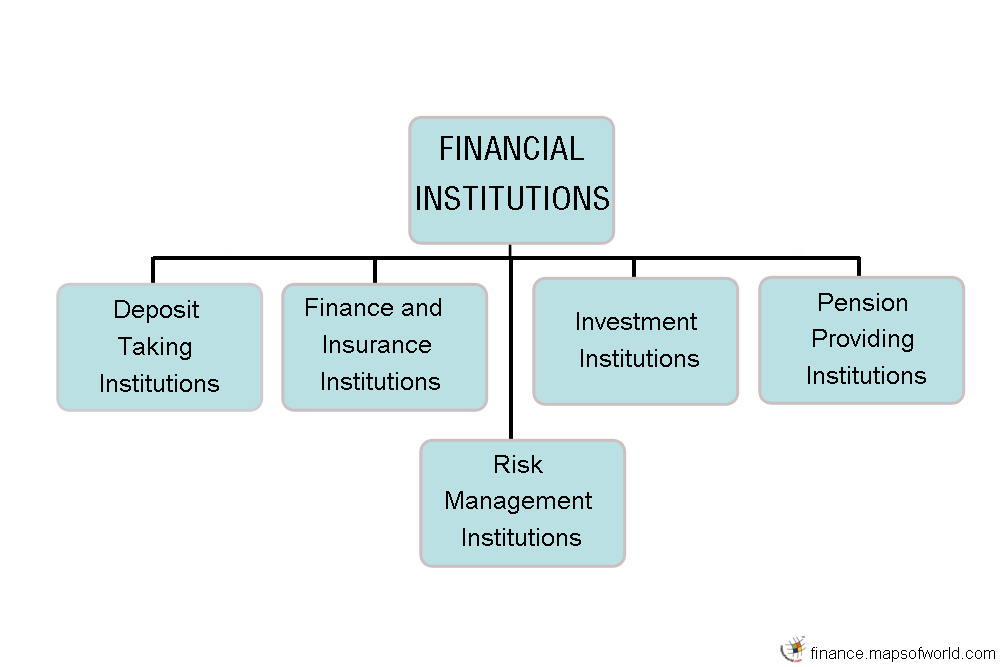
Financial institutions can be categorized as follows:
Deposit Taking Institutions
Finance and Insurance Institutions
Investment Institutions
Pension Providing Institutions
Risk Management Institutions
At the same time, there are several governmental financial institutions assigned with regulatory and supervisory functions (наделенныерегулирующими инадзорными функциями). These institutions have played a distinct role in fulfilling the financial and management needs of different industries (определенная роль ввыполнениифинансовыхиуправленческихпотребностейразличныхотраслейпромышленности.
Deposit taking financial organizations are known as commercial banks, mutual savings banks, savings associations, loan associations and so on.
The primary functions of financial institutions of this nature are as follows:
Accepting Deposits
Providing Commercial Loans
Providing Real Estate Loans (предоставление кредитов недвижимости)
Providing Mortgage Loans
Issuing Share Certificates (выдача сертификатов акций)
Text 2:
«Financial institutions»
There are many important financial institutions which provide finance for companies. These institutions provide money in different ways.
Banks
Althouth banks specialize in supplying short-term loans, they are prepared to make loans for longer periods – up to 20 years in certain circumstances.
Insurance companies
The regular premiums paid by policyholders are invested in government securities, company shares, land, and property of all kinds. The income from these investments makes it possible for insurance companies to pay out interests which are greater than the total payments made by policyholders.
Pension funds
Although in many countries there is a state pension scheme to which all workers contribute, a large number of employed and self-employed people also belong to private pension schemes. The money which accumulates in these pension funds is invested and works in a very similar manner to the funds of insurance companies
Investment trusts
These are limited companies buying shares in other companies which they believe will be the most successful ones. People who then buy shares in investment trusts are paid dividends and investment funds obtain a profit too
Unit trusts
These operate in a very similar manner to investment trusts. But they are not limited companies – they do not issue shares, they issue units. These units cannot be re-sold on the open market, but they can be sold back to the unit trust at any time.
Finance houses
These institutions provide the loans which finance hire-purchase schemes and leasing arrangements. Firms which sell goods on hire-purchase or who lease goods do not have to wait two or three years before their goods are fully paid for. They receive immediate payment from a finance hours, and it is the finance house which collects the regular installments paid by the purchaser.
There are many other specialist financial institutions which provide finance for companies. Besides in many countries a government is an important source of finance for privately-owned firms.
Раздел 17 Выдающиеся исторические события и личности. Исторические памятники
Учебная задача: прочитать тексты и выполнить задания к ним.
1. Прочитайте текст об Уинстоне Черчилле и определите, какие утверждения после текста верные (true), неверные (false) или в тексте не сказано (notstated).
Winston Churchill
Sir Winston Leonard Spencer Churchill, KG, OM, CH, TD, FRS, PC (Can). (30 November 1874 – 24 January 1965) was a British politician who served as Prime Minister of the United Kingdom from 1940 to 1945 and again from 1951 to 1955. A noted (знаменитый) statesman, orator and strategist, Churchill was also an officer in the British Army. He has been studied to a unique extent as part of modern British and world history. A prolific author, he won the Nobel Prize in Literature in 1953 for his own historical writings.
During his army career Churchill saw combat (сражение) with the Malakand Field Force on the Northwest Frontier, at the Battle of Omdurman in the Sudan and during the Second Boer War in South Africa. During this period he also gained fame, and not a small amount of notoriety, as a correspondent. At the forefront of the political scene for almost sixty years, Churchill held numerous political and cabinet positions. Before the First World War, he served as President of the Board of Trade and Home Secretary during the Liberal governments.
In the First World War Churchill served in numerous positions, as First Lord of the Admiralty, Minister of Munitions, Secretary of State for War and Secretary of State for Air. He also served in the British Army on the Western Front and commanded the 6th Battalion of the Royal Scots Fusiliers. During the interwar years, he served as Chancellor of the Exchequer.
After the outbreak (начало) of the Second World War, Churchill was appointed First Lord of the Admiralty. Following the resignation of Neville Chamberlain in May 1940, he became Prime Minister of the United Kingdom and led the British war effort against the Axis powers. His speeches were a great inspiration to the embattled Allied forces.
After losing the 1945 election, Churchill became the leader of the opposition. In 1951, Churchill again became Prime Minister before finally retiring in 1955. Upon his death, he was granted the honour of a state funeral (государственныепохороны) which saw one of the largest assemblies of politicians in the world.
1. Winston Churchill was Prime Minister of the UK twice.
2. He was awarded a Nobel Prize for his leadership in the war.
3. He was named Chancellor of the Exchequer during the war.
4. He won the election in 1945.
2. Выпишите из текста все заслуги, чины и должности, занимаемые Черчиллем на протяжении всей жизни.
3. Озаглавьте каждый абзац.
4. Составьте по данному тексту хронологическую таблицу биографии Уинстона Черчилля.
5. Уинстон Черчилль также знаменит своими цитатами. Вот некоторые из них. Прочитайте и подберите к ним эквиваленты (к некоторым цитатам эквивалентов нет).
1.We make a living by what we get, but we make a life by what we give.
2. If you’re going through hell, keep going.
3. You have enemies? Good. That means you’ve stood up for something, sometime in your life.
4. To improve is to change, so to be perfect is to have changed often.
5. I never ‘worry’ about action, but only about inaction.
6. Success consists of going from failure to failure without loss of enthusiasm.
7. You will never get to the end of the journey if you stop to shy a stone at every dog that barks.
8. Never, never, never give in!
9. One always measures friendships by how they show up in bad weather.
10. Success is not final, failure is not fatal: it is the courage to continue that counts.
11. For myself I am an optimist — it does not seem to be much use being anything else.
a. Если вы идёте через ад – идите, не останавливаясь.
b. У тебя есть враги? Хорошо. Значит, в своей жизни ты что-то когда-то отстаивал.
c. Успех – это способность шагать от одной неудачи к другой, не теряя энтузиазма.
d. Никогда, никогда, никогда не сдавайтесь!
e. Я – оптимист. Не вижу особой пользы быть чем-то ещё.
f. Мы зарабатываем на жизнь тем, что у нас есть; но мы создаем жизнь тем, что отдаем.
g. Успех - не окончателен, провал - не фатален: имеет значение лишь смелость продолжить путь.
h. Я никогда не беспокоюсь о действиях, только о бездействиях.
2. “From the history of Great Britain”
1. Many hundred years ago (about the 4th century before our era) the country we now call England was known as Britain, and the people who lived there were the Britons. They belonged to the Celtic race; the language they spoke was Celtic. Their culture, that is to say their way of thinking and their understanding of nature, was very primitive.
2. In the first century before our era Britain was conquered by the powerful state of Rome. The Romans lived on the peninsula, which is now called Italy and their language was Latin. They were very clever at making hard roads, building bridges and many-storeyed houses. The Romans thought a great deal of fighting and they usually managed to win most of the battles they fought. The Romans had heard very much about Britain from travelers and among other things, they were greatly interested to learn what valuable metals could be found in Britain.
3. Finally they decided to occupy the island. The Romans sailed across the sea in galleys and the general who commanded them was Julius Caesar. Caesar wrote many interesting accounts of Britain. His soldiers were clever enough, but it was not so easy to conquer the Britons, and the Romans had to encamp troops all over the country.
4. It is from these camps that the English cities later arose. Many things the Romans taught the Britons were given Latin names. They made the Britons build roads and bridges. But the Romans and the natives of Britain did not become one nation (never mixed one with the other); all that the Romans wanted was to make the Britons work for them.
3. Answer the questions:
1. How was England and its people called many hundred years ago?
2. Where did the Romans live in the first century before our era?
3. What were the Romans at that time?
4. Why did they finally decided to occupy the island?
5. Was it easy to conquer the Britons?
6. What did the Romans do on the island of Britain?
7. What did they make the Britons build?
4. Choose the right endings:
1. The Britons spoke …
a) English. b) Celtic. c) Latin.
2. Britain was conquered by the Romans …
a) in the 1st century A.D. b) in the 1st century B.C. c) in the 1st century.
3. The Romans spoke …
a) Latin. b) Italian. c) English.
4. Julius Caesar was the commander-in-chief of the Romans …
a) bridges. b) roads. c) troops.
5. To conquer Briton was …
a) difficult. b) not difficult. c) easy.
6. They decided to occupy …
a) the peninsula b) the island c) Italy
7. They made the Britons build….
a) roads b) bridges c) roads and bridges.
5. True or false?
1. The culture the Britons was very high developed.
2. The Romans had heard very much about Britain from travelers but they had any desire to conquer it.
3. The Romans lived on the peninsula, which is now called Italy.
4. The conquers made the Britons build roads and bridges.
5. Due to the invasion of the Romans they and the natives of Britain mixed one with the other and became one nation.
. Outstanding Events in the History of Great Britain
There were many outstanding events in the history of Great Britain. Many different tribes tried to control the territory of Britain. England was added to the Roman Empire in 43 A.D. Roman invasion played a very important role in the history of the country. The Roman built the first roads in the country, dug the first walls. The Romans, who were great architects, constructed the first towns in Britain.
But the Normans influenced the British civilization most of all. They came in 1066 under the leadership of William the Conqueror. As the invaders spoke French, their speech influenced the English language.
Once the British had to face the French in 1805 at the battle of Trafalgar. Then Admiral Nelson won a great victory over the French fleet. In order to commemorate this event the monument to Admiral Nelson was erected on this square.
In the 18th century technological and commercial innovation led to the Industrial Revolution. The 13th North American Colonies were last, but replaced by colonies in Canada and India.
1. What tribes influenced the British civilization most of all?
2. What happened in 43 A.D.?
3. Whose invasion played an important role in the history of Britain?
4. What led to the Industrial Revolution?
5. What were the 13th North American colonies replaced by?
ПРИЛОЖЕНИЕ 1
Методические рекомендации по подготовке сообщения (устной темы)
материал сообщения должен соответствовать теме и заявленному вопросу;
подача материала сообщения должна быть логичной, убедительной, с фактическими примерами, ссылками на использованную в работе литературу;
в сообщении должны быть выделены следующие части: введение, основная часть, выводы;
просмотрите рекомендованную и самостоятельно отобранную по заявленной теме литературу;
выделите материал, соответствующий вашей проблеме и прочтите его;
несколько раз внимательно прочитайте топик, осмыслите и выделите основные факты;
опираясь на план, мысленно проговорите сообщение (по возможности неоднократно).
Рекомендации по подготовке презентации
Формат презентации: MS Power Point.
Время доклада: для индивидуального 3- 5 мин. плюс 5 мин. для ответов на вопросы,
для группового доклада 7-8 мин. плюс 5 мин. для ответов на вопросы.
Каждый новый слайд должен логически вытекать из предыдущего и одновременно подготавливать появление следующего.
Презентацию обязательно следует снабжать кратким оглавлением–предисловием, возможно цитирование.
Количество текста в презентациях должно составлять не более 30-35%.
Требования к содержанию презентации:
материал презентации должен соответствовать пройденной теме;
подача материала должна быть логичной, правильно построенной;
каждый новый слайд должен логически вытекать из предыдущего и одновременно подготавливать появление следующего; текст, сопровождающий слайды, должен быть хорошо виден и читаем.
Список литературы
1. Безкоровайная Г. Т., Койранская Е. А., Соколова Н. И., Лаврик Г. В. Planet of English:учебник английского языка для учреждений СПО. — М., 2020.
2. Безкоровайная Г. Т., Койранская Е. А., Соколова Н. И., Лаврик Г. В. Planet of English:
электронный учебно-методический комплекс английского языка для учреждений СПО. – М.,2020.
2. Голубев А. П., Балюк Н. В., Смирнова И. Б. Английский язык: учебник для студ. учреждений сред. проф. образования. — М., 2020.
3. Лаврик Г. В. Planet of English. Social & Financial Services Practice Book = Английский язык.Практикум для профессий и специальностей социально-экономического профиля СПО. — М.,2020.
4. Соколова Н. И. Planet of English: Humanities Practice Book = Английскийязык.Практикум для специальностей гуманитарного профиля СПО. — М., 2020.












Чтобы оставлять комментарии, вам необходимо авторизоваться на сайте. Если у вас еще нет учетной записи на нашем сайте, предлагаем зарегистрироваться. Это займет не более 5 минут.