

 Приказ о проведении
 Положение
 Выписка из Протокола
 Диплом победителя
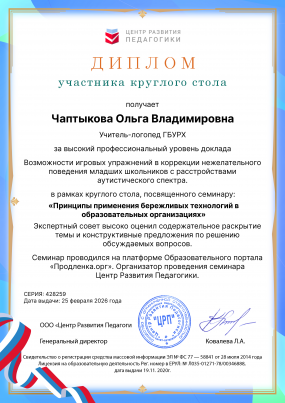
 Диплом за инновационную деятельность
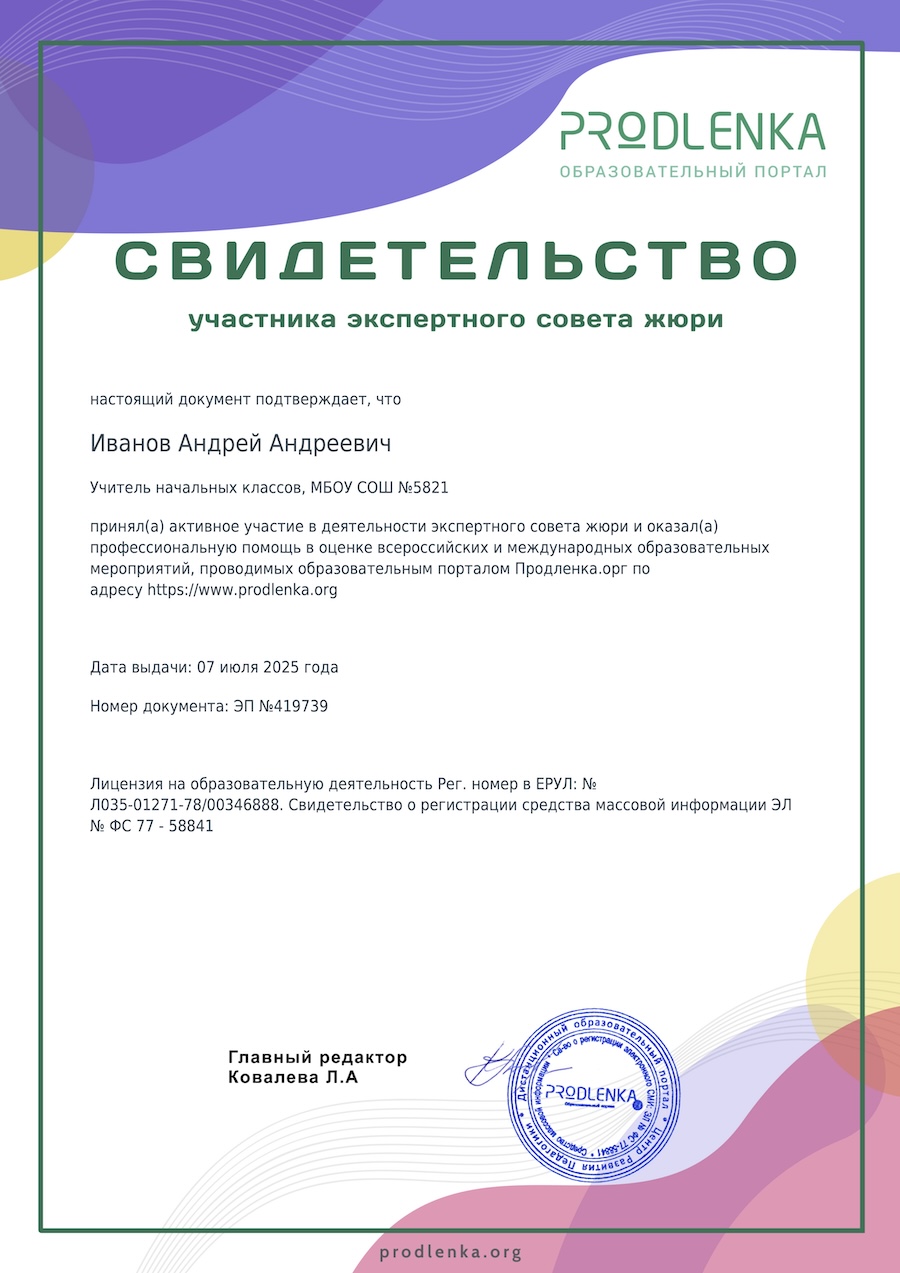
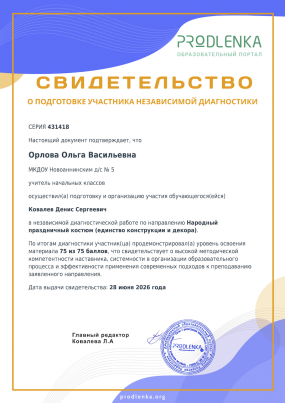
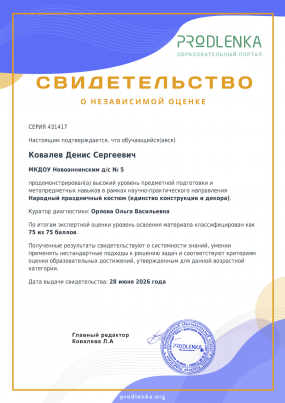
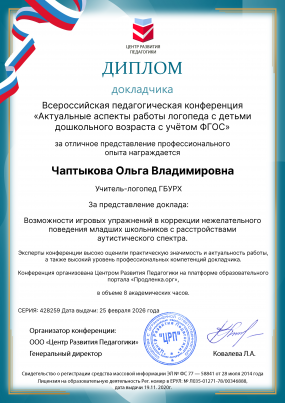
 Благодарность


Интегрированное занятие по теме "Recycling"
Lesson Plan: Recycling
1. Warm-up (5 minutes)
Teacher:
“Good morning, class! Today, we’re going to learn about something that helps save our planet. Can you guess what it is? (Pause for answers) Yes—recycling! Have you ever seen a recycling bin? What do you put inside? (Let students share examples: ‘bottles,’ ‘paper,’ etc.) Great! Recycling means using old things to make new things. Why is this important? Let’s find out together!”
2. Pre-listening Vocabulary (5 minutes)
Teacher:
“First, let’s learn key words. (Write on board or show flashcards):
Rubbish: Things we throw away (like old toys or food scraps).
Landfill: A huge hole in the ground where we dump rubbish.
Recycling: Making new things from old rubbish.
Why is recycling good? Because landfills hurt our Earth. (Point to textbook image of a landfill) Look at this picture—rubbish piles up for years! But recycling helps us reuse materials. Let’s listen and read why.”*
3. Activity 1: “Think!” (Page 1, First Section) (10 minutes)
Teacher:
“Open your books to the ‘Recycling’ page. First, we have a ‘Think!’ section. (Play CD 2, Track 50) Listen and read quietly. (After audio)
‘We throw things away every day. This is called rubbish… Landfills are bad for our world.’
Why are landfills bad? (Elicit: ‘They pollute the Earth,’ ‘Animals get hurt’)
Now, let’s talk: What do you throw away every day? (Write answers on board: ‘plastic bottles,’ ‘newspapers’)
Why is recycling a good idea? (Elicit: ‘It saves trees,’ ‘Less rubbish in landfills’)
Perfect! Now, let’s learn how recycling works.”
4. Activity 2: Number the Pictures (Page 1, Second Section) (10 minutes)
Teacher: “Next, listen again (CD 2, Track 51) and read about recycling. We need to number the pictures from 1 to 4.
Sentence 1: ‘We can make old newspapers into new paper.’ (Point to newspaper picture) → Number 1.
Sentence 2: ‘Old bottles and jars into new glass.’ (Point to glass bottles) → Number 2.
Sentence 3: ‘Metal from fridges into new metal.’ (Point to fridge picture) → Number 3.
Sentence 4: ‘Old fruit and vegetables into earth for the garden.’ (Point to compost picture) → Number 4.
Check your numbers with a partner. (Walk around to help)
Why is this important? (Elicit: ‘We reuse materials instead of wasting them!’)”
5. Activity 3: Sort Rubbish into Bins (Page 2, First Section) (10 minutes)
Teacher:
“Now, let’s practice sorting! Look at the bins:
Fruit, Vegetables (green bin): For old food (e.g., banana peels).
Glass (blue bin): For bottles and jars.
Paper, Card (orange bin): For newspapers and boxes.
Metal (red bin): For cans and tins.
(Show sticky notes with items from the textbook)
This is a glass bottle. Which bin? (Students: ‘Glass!’)
This is a magazine. Which bin? (Students: ‘Paper!’)
Work in pairs: Stick the items into the correct bins. (Give 5 minutes)
6. Speaking Practice: “Think!” (Page 2, Second Section) (5 minutes)
Teacher:
“Great job! Now, think of more things for these bins.
‘We can put magazines in the paper bin.’
What else? (Elicit: ‘books,’ ‘cardboard,’ ‘egg cartons’)
Glass bin: (Elicit: ‘wine bottles,’ ‘jam jars’)
Metal bin: (Elicit: ‘soda cans,’ ‘tin cans’)
Fruit, Veg bin: (Elicit: ‘apple cores,’ ‘carrot peels’)
Let’s write our ideas on the board!”
7. Project: Make Recycling Bins (Page 2, Third Section) (5 minutes)
Teacher:
“Time for a fun project! In groups, make your own recycling bins for the classroom.
Use cardboard boxes.
Label them: ‘PAPER,’ ‘GLASS,’ ‘METAL,’ ‘FRUIT , VEG.’
(Show example) When you throw something away, think: Which bin does it go in?
Start now! (Give materials; monitor groups)”
8. Review: “Look at the Rubbish” (Page 3) (5 minutes)
Teacher:
“Let’s check what we learned! Look at the picture of rubbish. Answer these questions:
‘Is there a TV?’ → No, there isn’t.
‘Is there a bed?’ → No, there isn’t.
‘Are there three lamps?’ → No, there’s one lamp.
‘Is there a mirror?’ → Yes, there is.
‘Are there two armchairs?’ → No, there’s one armchair.
‘Are there two bikes?’ → Yes, there are two bikes.
Now, draw lines.
9. Wrap-up (5 minutes)
Teacher:
“Today we learned:
Why recycling saves our Earth.
How to sort rubbish into bins.
How to make new things from old materials.
Remember: When you throw something away, think! Which bin does it go in?
For homework: Look at home. What can you recycle? Bring a list tomorrow.
Great work! Let’s keep our planet clean!”












Чтобы оставлять комментарии, вам необходимо авторизоваться на сайте. Если у вас еще нет учетной записи на нашем сайте, предлагаем зарегистрироваться. Это займет не более 5 минут.