

- «Реализация проекта «Добрые игры» в системе дошкольного образования»
- Курс-практикум «Педагогический драйв: от выгорания к горению»
- «Оказание первой помощи в образовательных учреждениях»
- «Труд (технология): специфика предмета в условиях реализации ФГОС НОО»
- «ФАООП УО, ФАОП НОО и ФАОП ООО для обучающихся с ОВЗ: специфика организации образовательного процесса по ФГОС»
- «Специфика работы с детьми-мигрантами дошкольного возраста»


Свидетельство о регистрации
СМИ: ЭЛ № ФС 77-58841
от 28.07.2014

- Бесплатное свидетельство – подтверждайте авторство без лишних затрат.
- Доверие профессионалов – нас выбирают тысячи педагогов и экспертов.
- Подходит для аттестации – дополнительные баллы и документальное подтверждение вашей работы.
в СМИ

профессиональную
деятельность

Конспект урока «Our classroom»

 769
0
769
0
Lesson plan
Unit 1. Our Class | School: | |||||
Date: | Teacher’s name: | |||||
Class: | Number present: | absent: | ||||
Theme of the Lesson: | Our classroom | |||||
Learning objective(s) that this lesson is contributing to | 6.1.8.1 develop intercultural awareness through reading and discussion 6.C9 use imagination to express thoughts, ideas, experiences and feelings 6.2.2.1understand more complex supported questions which ask for personal information | |||||
Lesson objectives | To ask and understand more complex questions to get information To share ideas and opinions on the given topic | |||||
Success criteria | A learner can ask and answer complex questions A learner can share his or her opinion on the given topic | |||||
Value links | Respect, the lesson is aimed at group working and sharing opinions, also supporting each other | |||||
Cross curricular links | Education, the lesson is aimed at discussing classmates | |||||
Previous learning | Our classroom | |||||
Plan | ||||||
Planned timings | Planned timings | Resources | ||||
Beginning 0-3 3-8 | Organizational moment. Teacher presents the lesson objectives, explains students what they would be able to do by the end of this lesson. 1. Warming-up. Ask your learners to think about classrooms around the world and answer the following questions What do the classrooms look like in Kazakhstan, the USA, Great Britain and Russia? How many students are there in the classroom? What countries have separate classes for boys and girls? What subjects do they study? How do the teachers behave themselves? | |||||
Middle 8-15 15-25 25-35 | 2. Focus on speaking Ask your learners to watch a video about the classrooms around the world. Ask them to share their opinion about the video of how the classrooms look around the world. Teacher can ask some questions to get information. Are the classrooms big or small? How any learners are there in one classroom in South Africa? Do the students of Afghanistan have any equipment get qualitative education? What problems can you see in each classroom? Do our classrooms differ from them? If yes, how? Demonstrate your learners PPT with classrooms around the world and divide your students into small groups to design questions to the PPT they have seen. Assessment criteria: Ask at least 4-5 questions Ask open questions to get more detailed information about opinions and feelings Use questioning language such as what, why, where, who Let learners assess each other or self-assessment. 3. Focus on writing Teacher asks learners to write about classrooms in Kazakhstani schools or describe their classroom. Support them with vocabulary if necessary. Inform them that they can utilize their previous knowledge, they are allowed to describe on the questions discussed before. Assessment criteria: -writes at least 50-60 words -writes full description of a classroom -writes advantages of a classroom -writes some disadvantages of a classroom | See Video “Classrooms around the world” PPT Classrooms around the world Copy books, pens, pencils, dictionaries | ||||
End 35-40 | At the end of the lesson, learners reflect on their learning: I can …. -describe my classroom -share my opinions about the classrooms around the world -talk about advantages and disadvantages of a classroom | |||||
DIFFERENTIATION – how do you plan to give more support? How do you plan to challenge the more able learners? | ASSESSMENT – how are you planning to check learners’ learning? | Health and safety rules | ||||
For less – able students: support them with necessary vocabulary while speaking and writing. Strong students can be offered to design a classroom of their dream | Monitoring learners’ activities, focusing on their speaking and writing, jotting down typical mistakes or errors and discussing and working on correcting them. | Provide some physical exercises for learners | ||||
Адрес публикации: https://www.prodlenka.org/metodicheskie-razrabotki/325312-konspekt-uroka-our-classroom


БЕСПЛАТНО!
Для скачивания материалов с сайта необходимо авторизоваться на сайте (войти под своим логином и паролем)
Если Вы не регистрировались ранее, Вы можете зарегистрироваться.
После авторизации/регистрации на сайте Вы сможете скачивать необходимый в работе материал.
- Курс-практикум «Цифровой арсенал учителя»
- «Организация работы с обучающимися с ОВЗ в практике учителя ОБЖ»
- «Современные подходы к преподаванию химии в условиях реализации ФГОС ООО»
- «Основы законодательства в области дополнительного образования детей»
- «Инклюзия в дополнительном образовании: особенности обучения и воспитания детей с нарушениями зрения»
- «Технологии и формы организации работы педагога с родителями обучающихся»
- Физическая культура и специфика организации адаптивной физической культуры для обучающихся с ОВЗ
- Педагогика дополнительного образования: теория и методика работы с детьми
- Содержание деятельности по охране труда и обеспечению безопасности условий на рабочих местах
- Учитель-логопед в образовательной организации. Коррекция речевых нарушений у младших школьников
- Теория и методика преподавания истории и обществознания
- Менеджер в образовании: управленческая деятельность в образовательной организации


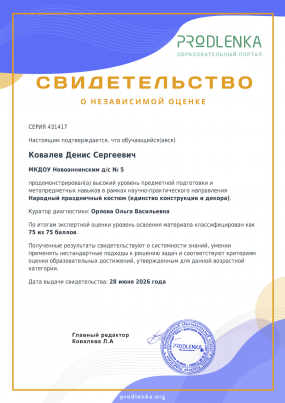


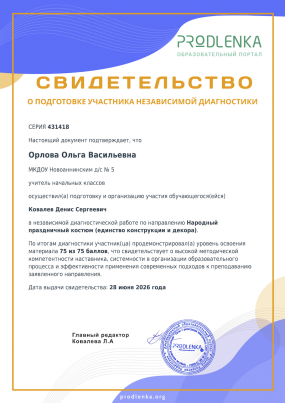


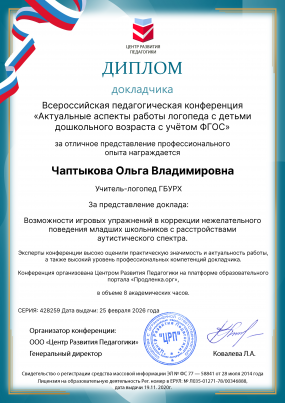


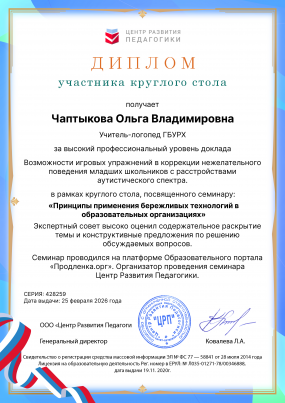


Чтобы оставлять комментарии, вам необходимо авторизоваться на сайте. Если у вас еще нет учетной записи на нашем сайте, предлагаем зарегистрироваться. Это займет не более 5 минут.