

- «Реализация проекта «Добрые игры» в системе дошкольного образования»
- Курс-практикум «Педагогический драйв: от выгорания к горению»
- «Оказание первой помощи в образовательных учреждениях»
- «Труд (технология): специфика предмета в условиях реализации ФГОС НОО»
- «ФАООП УО, ФАОП НОО и ФАОП ООО для обучающихся с ОВЗ: специфика организации образовательного процесса по ФГОС»
- «Специфика работы с детьми-мигрантами дошкольного возраста»


Свидетельство о регистрации
СМИ: ЭЛ № ФС 77-58841
от 28.07.2014

- Бесплатное свидетельство – подтверждайте авторство без лишних затрат.
- Доверие профессионалов – нас выбирают тысячи педагогов и экспертов.
- Подходит для аттестации – дополнительные баллы и документальное подтверждение вашей работы.
в СМИ

профессиональную
деятельность

Конспект при обучении аудированию

 1336
0
1336
0
Автор: Феночкина Наталия Юрьевна
Место работы: МБОУ СОШ №16 г. Кропоткин
Должность: Учитель английского языка
Конспект занятия по английскому языку в 10 классе при обучении одному из видов речевой деятельности- аудированию.
Обучение аудированию, или смысловому восприятию речи на слух, предполагает выполнение обучаемыми упражнений на формирование общих аудитивных навыков, речевых упражнений и последующую учебную работу с аудиотекстом. Вашему вниманию я предлагаю конспект занятия.
Задачи:
Научить учащихся прогнозировать информацию текста по заголовку и предварительной беседе.
Научить учащихся определять тему, подтему, факты, детали, главную мысль, точку зрения автора.
Проверить понимание и научить учащихся беседовать по прослушанному.
Речевойматериал:текст «Two Norwegians rowed across the Atlantic Ocean».
Оборудование:карта мира.
1 ЭТАП. Дотекстовый
(стадия прогнозирования)
Teacher:Today, dear children, we are going to learn how to determine the theme of the text, the main idea, the facts, the details, the author’s opinion, and how to plan the retelling. I think all these aspects you have learnt during your Literature lessons, and now you’ll try to do them all during our English lesson.
First of all, let’s speak about travelling. As for me I enjoy travelling very much. Do you, Kate, like travelling too?
Pupils: Of course, I do. / No, I don’t like travelling.
Teacher:How do you travel? (What means of transport do you usually use? Ship, plane, train, car, or…)
What is the most comfortable, the quickest, the cheapest, the most expensive way of travelling?
Pupils: I like travelling by plane, because it is the most convenient way of travelling, but it is also the most expensive.
Teacher:What countries would you like to see or visit? (Canada, The USA, Norway, France, Italy, Great Britain, Australia, etc.)
Pupils answer.
Teacher:What other countries do you know? Name them. Show them on the map. How you / one can get to France?
Pupils: One can get there by bus, by plane, …etc.
2 ЭТАП. Текстовый.
(Первое прослушивание. Стадия смыслового анализа.)
Listening for the gist.
Teacher:Now I’ll tell you a story about two Norwegians who rowed across the Atlantic Ocean. Look at the map. This is the USA and this is Norway. And the Norwegians rowed across the Atlantic Ocean in a rowing boat.
Listen carefully and try to understand how they travelled and if their voyage was successful.
Teacher is reading the text.
Teacher:More than seventy years ago two Norwegians rowed across the Atlantic Ocean. They were in New York. They thought that they would row home and see how their people were getting on. For this they built a very good rowing-boat, 18 feet, which they named «Fox». They started from New York at five o’clock in the afternoon of June 5th, 1896.
For more than a month the life of the rowers was rather quiet. The weather was fine. The sun shone. The ocean was still. The men rowed in turn. One rowed, another ate. One rowed, another slept. One rowed, another sang.
But then the weather changed, and the rest of the way their voyage was a nightmare. However, sixty-two days after leaving New York they landed at the port of Havre France.
Let’s check your understanding of the text. Answer my questions, please.
What is this text about?
Who rowed across the Atlantic?
Why did they decide to travel across the ocean?
Did they reach land?
Pupils answer.
Второе прослушивание.
Listening for details.
Teacher:Now, listen to my story for the second time for more details and try to understand what kind of people can row across the Atlantic Ocean.
3 ЭТАП. Послетекстовый.
(Стадия интерпретации.)
Вопросы для проверки понимания текста на уровне содержания:
Who rowed across the Atlantic Ocean?
Whom did they want to see?
How did they travel?
What did they use for that?
How long was the boat?
What did they name it?
When did they start?
How was the weather at first?
What did they do during their voyage?
Do you think their voyage was successful?
Why do you think so?
Is it dangerous to row across the Atlantic?
Who do you think can row across the Ocean? You may use these words which are written on the blackboard: courageous, determined, resolute, purposeful.
Would you like to row across the ocean or the sea?
How would you like to travel across the ocean or the sea?
Teacher:Oh, I see you have understood this text perfectly. Let’s see what plan we can use for retelling. You may consult withyour classmates.
PLAN
The preparations for the voyage (70 years ago, rowed, New York, to see how their people were getting on, a rowing boat, 18 feet long, «Fox», the 5th of June).
Their voyage across the ocean (for more than a month, life rather quiet, fine, shone, still, in turn, a niggtmare)
Landing (62 days after leaving New York, Landed, the port of Havre, France).
Teacher:Yes, you divided the text logically. It consists of three main parts. Now, imagine yourself that you are one of the travelers. Tell us the story of your voyage using the plan.
Pupil 1:I want to tell you how me friends and I rowed across the Atlantic. Look at the map. We were in New York. We wanted to see how our people were getting on. We built a row boat. It was 18 feet long. We named it «Fox». And on the 5th if June, we stared from New York.
Pupil 2: Let me continue.
For more than a month our life was rather quiet. The sun shone, the ocean was still, and we rowed in turn. But then the weather changed and our voyage was a nightmare. Yet 62 days after leaving New York we landed at port in France. Although we didn’t get to Norway, our voyage was successful. We didn’t die during the storm.
Teacher:Very good, students. You’ve coped with this task.
Your marks are…
We cannot finish our lesson without revising.
What is the main idea of this text?
Pupil :This text is about 2 Norwegians who rowed across the Atlantic Ocean to see how their people were getting on.
Teacher:What logical part are in the text?
Pupil : The first part of the text is about the voyage itself across the Atlantic Ocean.
Pupil : The second part of the text is about the voyage itself across the Atlantic Ocean.
Pupil :The third part of the text is about their landing.
Teacher:What facts summarize the story mentioned above?
Pupil :Two Norwegians rowed across the Atlantic Ocean.
They had built a rowing boat.
They started from New York.
The weather was fine, and then changed for worse.
They landed.
Teacher:What are the main details? (according to the logical parts).
Pupils:
70 year ago a rowing-boat New York 18 feet long «Fox» the 5th of June.
A month rather quiet fine, shone, still turned into a nightmare .
62 days Havre landed but didn’t get to Norway.
Teacher:What is the author’s opinion?
Pupil :The author didn’t express his point of view. He stressed the fact that only brave, courageous, resolute, purposeful people can row across the Atlantic Ocean.
Teacher:Home task: Imagine, you are a famous journalist and are writing about these people. Our lesson is over.Good-bye.
Адрес публикации: https://www.prodlenka.org/metodicheskie-razrabotki/60547-konspekt-pri-obuchenii-audirovaniju


БЕСПЛАТНО!
Для скачивания материалов с сайта необходимо авторизоваться на сайте (войти под своим логином и паролем)
Если Вы не регистрировались ранее, Вы можете зарегистрироваться.
После авторизации/регистрации на сайте Вы сможете скачивать необходимый в работе материал.
- «Методика преподавания русского языка»
- «Нормативно-правовое регулирование учебно-воспитательной деятельности в образовательной организации»
- «Обеспечение безопасности экскурсионного обслуживания»
- «Основы медиации в системе образования»
- «Организация образовательного процесса по предмету «Технология» в соответствии с ФГОС ООО от 2021 года»
- «Учитель химии: современные методы и технологии преподавания предмета по ФГОС ООО и ФГОС СОО»
- Управленческая деятельность в системе социального обслуживания
- Методы и технологии преподавания английского языка в образовательной организации
- Психологическое консультирование и оказание психологической помощи
- Технологии социальной реабилитации и абилитации детей и взрослых
- Организационно-педагогическое обеспечение воспитательного процесса в образовательной организации
- Методист дошкольной образовательной организации. Педагогика и методика дошкольного образования


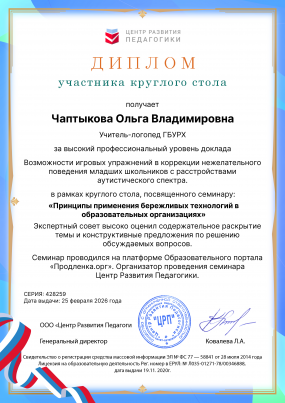


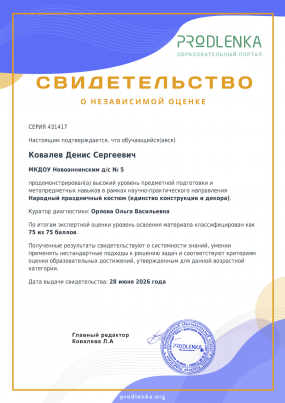


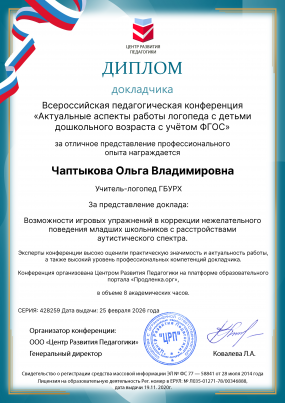
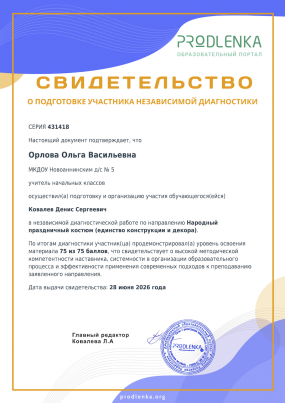


Чтобы оставлять комментарии, вам необходимо авторизоваться на сайте. Если у вас еще нет учетной записи на нашем сайте, предлагаем зарегистрироваться. Это займет не более 5 минут.