

- «Реализация проекта «Добрые игры» в системе дошкольного образования»
- Курс-практикум «Педагогический драйв: от выгорания к горению»
- «Оказание первой помощи в образовательных учреждениях»
- «Труд (технология): специфика предмета в условиях реализации ФГОС НОО»
- «ФАООП УО, ФАОП НОО и ФАОП ООО для обучающихся с ОВЗ: специфика организации образовательного процесса по ФГОС»
- «Специфика работы с детьми-мигрантами дошкольного возраста»


Свидетельство о регистрации
СМИ: ЭЛ № ФС 77-58841
от 28.07.2014

- Бесплатное свидетельство – подтверждайте авторство без лишних затрат.
- Доверие профессионалов – нас выбирают тысячи педагогов и экспертов.
- Подходит для аттестации – дополнительные баллы и документальное подтверждение вашей работы.
в СМИ

профессиональную
деятельность

Традиционные методы обучения английскому в начальной школе: анализ и особенности

 410
0
410
0
Methods of teaching foreign language
The last question is probably the hardest to explain, maybe even to yourself.
Is it because that’s how you were taught? Is it because that’s how you were taught to teach? Or is it for some other reason?
Have you ever sat down and seriously thought about why you teach reading, writing, speaking, listening and culture the way you do?
If not, now is the time! And here’s why: If you know the history of howyour subject has been taught, you’ll be able to choose the best methodological approach to teach your own students.
It’ll also give you the flexibility to change approaches when any one method fails to address your students’ needs at any time—even in the middle of a lesson!
So let’s get started with the main foreign language methodologies, and then consider how to choose the best for your particular classroom.
The main purpose of this artide is to provide a critical assessment of the role played by methods in the educational process, though there is also an account of the main different methods of foreign language teaching (FLT) that are in use today. A knowledge of the different methods gives foreign language teachers a good background reference to their own stand on pedagogical matters and classroom practice, and in addition helps them understand the process that FLT has undergone, particularly through this century. To consider FLT as a process means that teaching is not static but changing to respond to new needs and demands as teachers, applied linguists and educationists can prove.
For the longest time, this was also the approach used for teaching modern foreign languages. An instructor in a teacher-centered classroom would explain a grammatical rule in the native language, translation exercises would follow, perhaps preceded by some fill-in-the-blank or verb conjugation or noun declension work. Speaking, when it occurred, was in the context of completing these exercises orally and might consist of only a word or a phrase. There was no attempt at “real” communication.
Classes are taught in the students' mother tongue, with little active use of the target language. Vocabulary is taught in the form of isolated word lists. Elaborate explanations of grammar are always provided. Grammar instruction provides the rules for putting words together; instruction often focuses on the form and inflection of words. Reading of difficult texts is begun early in the course of study. Little attention is paid to the content of texts, which are treated as exercises in grammatical analysis. Often the only drills are exercises in translating disconnected sentences from the target language into the mother tongue, and vice versa. Little or no attention is given to pronunciation.
Lessons begin with a dialogue using a modern conversational style in the target language. Material is first presented orally with actions or pictures. The mother tongue is NEVER, NEVER used. There is no translation. The preferred type of exercise is a series of questions in the target language based on the dialogue or an anecdotal narrative. Questions are answered in the target language. Grammar is taught inductively–rules are generalized from the practice and experience with the target language. Verbs are used first and systematically conjugated only much later after some oral mastery of the target language. Advanced students read literature for comprehension and pleasure. Literary texts are not analyzed grammatically. The culture associated with the target language is also taught inductively. Culture is considered an important aspect of learning the language.
Адрес публикации: https://www.prodlenka.org/metodicheskie-razrabotki/325194-methods-of-teaching-foreign-language


БЕСПЛАТНО!
Для скачивания материалов с сайта необходимо авторизоваться на сайте (войти под своим логином и паролем)
Если Вы не регистрировались ранее, Вы можете зарегистрироваться.
После авторизации/регистрации на сайте Вы сможете скачивать необходимый в работе материал.
- «Учитель географии: современные методы и технологии преподавания предмета по ФГОС ООО и ФГОС СОО»
- «Дополнительное образование детей в рамках дошкольной образовательной организации»
- «Реализация ФГОС НОО для обучающихся с ОВЗ»
- «Система реализации STEM-образования для детей дошкольного возраста»
- «Среднее профессиональное образование: содержание и методы работы преподавателя по ФГОС СПО»
- «Формирование основ финансовой грамотности детей дошкольного возраста в условиях реализации ФГОС ДО»
- Социальный координатор: социальная работа по сопровождению ветеранов боевых действий
- Методы и технологии преподавания английского языка в образовательной организации
- Педагогическое образование: теория и методика преподавания истории в образовательных организациях
- Физическая культура и специфика организации адаптивной физической культуры для обучающихся с ОВЗ
- Содержание и организация профессиональной деятельности по присмотру и уходу за детьми
- Тифлопедагогика: учебно-воспитательная работа педагога с детьми с нарушениями зрения
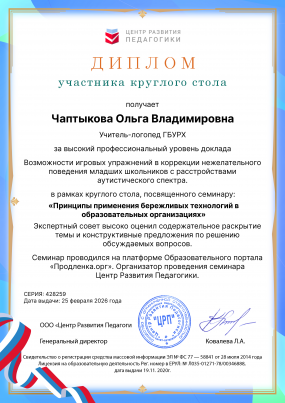


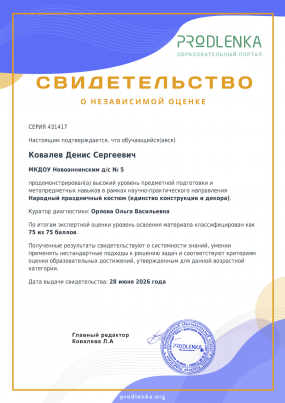


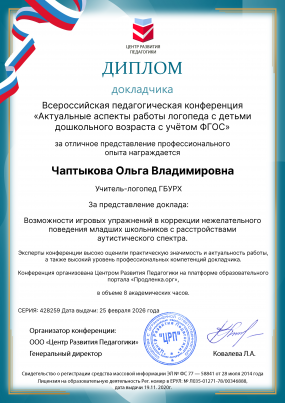


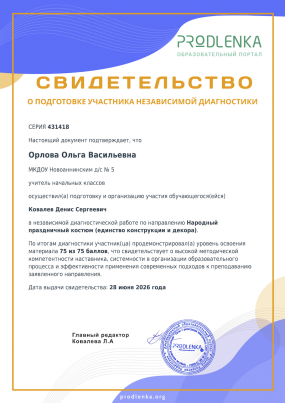


Чтобы оставлять комментарии, вам необходимо авторизоваться на сайте. Если у вас еще нет учетной записи на нашем сайте, предлагаем зарегистрироваться. Это займет не более 5 минут.