

- «Реализация проекта «Добрые игры» в системе дошкольного образования»
- Курс-практикум «Педагогический драйв: от выгорания к горению»
- «Оказание первой помощи в образовательных учреждениях»
- «Труд (технология): специфика предмета в условиях реализации ФГОС НОО»
- «ФАООП УО, ФАОП НОО и ФАОП ООО для обучающихся с ОВЗ: специфика организации образовательного процесса по ФГОС»
- «Специфика работы с детьми-мигрантами дошкольного возраста»


Свидетельство о регистрации
СМИ: ЭЛ № ФС 77-58841
от 28.07.2014

- Бесплатное свидетельство – подтверждайте авторство без лишних затрат.
- Доверие профессионалов – нас выбирают тысячи педагогов и экспертов.
- Подходит для аттестации – дополнительные баллы и документальное подтверждение вашей работы.
в СМИ

профессиональную
деятельность

Hard disk information

 791
0
791
0
HARD DISK INFORMATION
When you save data or install programs on your computer, the information is typically written to your hard disk. The hard disk is a spindle of magnetic disks, called platters, that record and store information. Because the data is stored magnetically, information recorded to the hard disk remains intact after you turn your computer off. This is an important distinction between the hard disk and RAM, or memory, which is reset when the computer's power is turned off.
The hard disk is housed inside the hard drive, which reads and writes data to the disk. The hard drive also transmits data back and forth between the CPU and the disk. When you save data on your hard disk, the hard drive has to write thousands, if not millions, of ones and zeros to the hard disk. It is an amazing process to think about, but may also be a good incentive to keep a backup of your data.
Every desktop computer, laptop and netbook contains a hard-disk drive. The hard-disk drive, better known as the hard drive, is one of the most vital components in a computer. The hard drive stores information for the computer in a non-volatile way, meaning that when the user shuts off the computer, all the information he saved will still be there when he turns the computer back on. Today, hard drives can store an enormous amount of information. We will take a look at how a hard drive operates and saves information. Figure 1 is a picture of a typical hard drive (Hallock).
Figure 1: Enclosed hard drive (Hallock)
Six basic elements make up the composition of a hard drive: The enclosure, spindle motor, hard drive platters, actuator arm, interface and logic board. The enclosure is simply the outer shell that protects and holds everything together. The four largest and most important properties that will be outlined below are the interface, logic board, hard drive platters, spindle motor, and the read/write to disk. The actuator arm will be referred to and described within these outlined sections (Hallock).
Interface
A hard drive connects to your computer through a specific type of interface (Bleeping Computer). The hard drive port and the port on the computer where they connect must be the same; otherwise they will not be able to sync up together.
Logic Board
The logic board performs several significant operations. The logic board is the “brain” of the hard drive. It tells the computer what the drive is, how big it is, what cable its connected to, and how to access the drive in your operating system. Figure 2 below is a picture of a logic board (Hallock).
Another key function of the logic board is the read/write cache process, without this the hard drive would be slow in saving and retrieving files. When a computer is told to open 1,000 megabytes of information, the hard drive passes the information to you as quickly as it is able through the cache process. While the hard drive is loading the first 16MB of the file, the next chunk of data is prepared to roll and is waiting in the cache; when you open the cached chunk of data, another is fed into the cache, and so on until all the information is opened. This is the read portion of the cache process, the reverse of this process occurs to write information (Hallock). This cache process is an integral part of the read/write to disk function that is described in a section below.
Summary
Hard drives are the main component in many computer-driven technologies today. There are seven basic parts to a hard drive; the enclosure, spindle, platter, motor, actuator arm, interface and logic board. A hard drive in where all the information is stored on a computer. Hard drives have been a key innovative technology in saving and storing data that has become such an integral part of our society.
Конец формы
Адрес публикации: https://www.prodlenka.org/metodicheskie-razrabotki/325330-hard-disk-information


БЕСПЛАТНО!
Для скачивания материалов с сайта необходимо авторизоваться на сайте (войти под своим логином и паролем)
Если Вы не регистрировались ранее, Вы можете зарегистрироваться.
После авторизации/регистрации на сайте Вы сможете скачивать необходимый в работе материал.
- «Программа воспитательной работы для организаций отдыха детей и их оздоровления: основные аспекты и особенности реализации»
- «Художественно-эстетическое развитие детей дошкольного возраста в условиях реализации ФГОС ДО»
- «Эстетическое воспитание в образовательной организации: содержание и методы работы со школьниками»
- «Документация образовательной организации»
- «Содержание и методы преподавания учебного предмета «Русский язык» по ФГОС НОО»
- «Реализация учебного курса «История нашего края»
- Педагогическое образование: теория и методика преподавания физики
- Менеджмент в дополнительном образовании детей
- Учитель-наставник. Организационно-методическое сопровождение профессиональной деятельности педагогов
- Педагогическая деятельность в среднем профессиональном образовании
- Технологии оказания социальной помощи гражданам и семьям с детьми
- Учитель-методист в образовательной организации. Содержание методического сопровождения реализации общеобразовательных программ


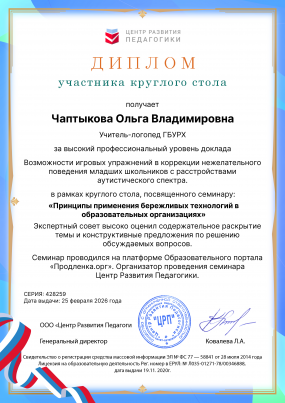


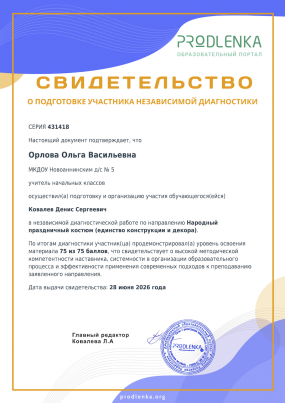


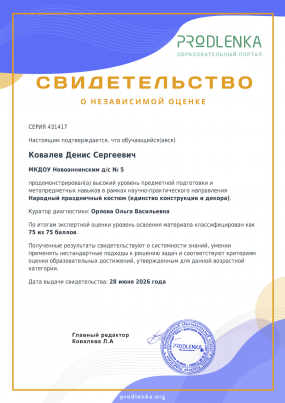


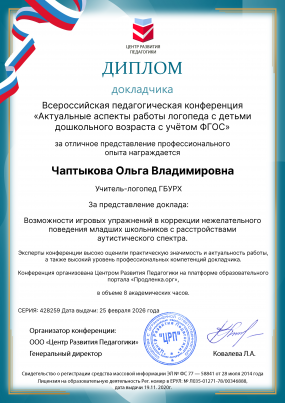


Чтобы оставлять комментарии, вам необходимо авторизоваться на сайте. Если у вас еще нет учетной записи на нашем сайте, предлагаем зарегистрироваться. Это займет не более 5 минут.