

- «Реализация проекта «Добрые игры» в системе дошкольного образования»
- Курс-практикум «Педагогический драйв: от выгорания к горению»
- «Оказание первой помощи в образовательных учреждениях»
- «Труд (технология): специфика предмета в условиях реализации ФГОС НОО»
- «ФАООП УО, ФАОП НОО и ФАОП ООО для обучающихся с ОВЗ: специфика организации образовательного процесса по ФГОС»
- «Специфика работы с детьми-мигрантами дошкольного возраста»


Свидетельство о регистрации
СМИ: ЭЛ № ФС 77-58841
от 28.07.2014

- Бесплатное свидетельство – подтверждайте авторство без лишних затрат.
- Доверие профессионалов – нас выбирают тысячи педагогов и экспертов.
- Подходит для аттестации – дополнительные баллы и документальное подтверждение вашей работы.
в СМИ

профессиональную
деятельность

The Translation Profession

 406
0
406
0
The Translation Profession
Working as a translator can be a full-time career, but it also offers many opportunities to part-time and freelance contractors. By identifying their translation niche, many translators make good money doing something that they love, often from the comfort of their own home or as part of a small team.
The history of translation
Throughout history, cultures have required translators to disseminate their work around the globe. Almost every historical text, epic poem, and great work of fiction has been through the hands of translators. In a way, translators are the link not just between different languages, but between periods of history as well.
Great scientific discoveries owe their dissemination to translators, and today translators continue to supply a valuable service to the scientific community, as well as to international business, academia and private correspondence.
How do you become a good translator?
To become a good translator you will need to possess the following skillsets:
Strong understanding of at least two languages
While it's best to be a native speaker of the language you are translating into, you will need a passion for both languages, and to read extensively in both to achieve a high level of quality translation.
Capacity to research
The desire to research the primary fields in which languages require translation is part of the trick to becoming a good translator. Ask yourself: what sort of work exists in these languages? Is it primarily in the field of books and comics, or business contracts, or contract law? Will you be translating scientific or academic texts? Knowing the niches within the industry will greatly assist your overall success as a translator, as will the willingness to understand those fields.
Good ethics
As a translator there is an ethical responsibility to produce work that communicates the intention of the language to the new audience. You will also be required to protect the confidentiality of that work in some circumstances. Demonstrating good ethics and gaining your clients' trust is a great way to improve your standing as a translator.
Set goals
Know what you want out of this industry. Is this part-time work or a full-time career? Do you want to start your own agency? How much time do you have to research and improve your translation skills? Goals are an important element in improving your translation abilities.
Keep up to date with popular culture and the news
News and popular culture can demonstrate the way language is used and will impact the quality of your translation. Not only must you understand the industries you are translating, but how they are affected by recent trends.


БЕСПЛАТНО!
Для скачивания материалов с сайта необходимо авторизоваться на сайте (войти под своим логином и паролем)
Если Вы не регистрировались ранее, Вы можете зарегистрироваться.
После авторизации/регистрации на сайте Вы сможете скачивать необходимый в работе материал.
- «Музейная педагогика: содержание и технологии работы с обучающимися в соответствии с ФГОС»
- «Диагностика и коррекция речевых нарушений школьников в профессиональной деятельности учителя-логопеда»
- «Особенности подготовки к школьному обучению детей с ОВЗ и инвалидностью»
- «Образовательная робототехника: содержание, методы и технологии преподавания»
- «Труд (технология): специфика предмета в условиях реализации ФГОС ООО»
- «Содержание и методы преподавания общеобразовательной дисциплины «Математика» по ФГОС СПО»
- Оказание социально-психологической помощи: психологическое консультирование и психологическое сопровождение населения
- Управленческая деятельность в системе социального обслуживания
- Наставничество и организационно-методическое сопровождение профессиональной деятельности педагогических работников
- Технологии оказания социальной помощи гражданам и семьям с детьми
- Социально-психологическое сопровождение и психологическая помощь населению
- Организация методической работы в образовательной организации


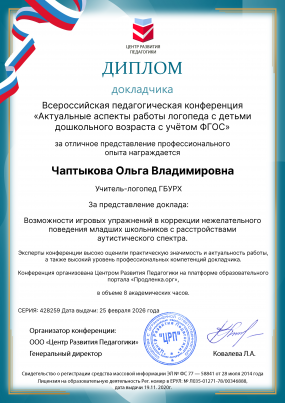


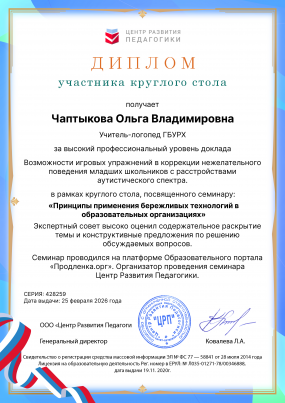


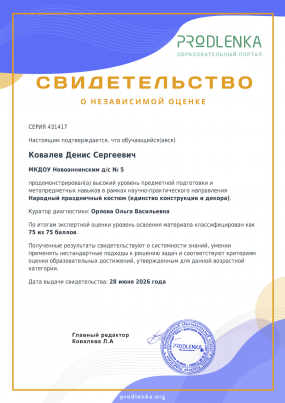


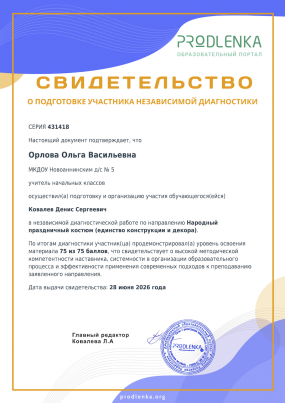


Чтобы оставлять комментарии, вам необходимо авторизоваться на сайте. Если у вас еще нет учетной записи на нашем сайте, предлагаем зарегистрироваться. Это займет не более 5 минут.